

Keiki Blog – parenting & early learning insights
Discover engaging parenting tips, child development insights, and creative learning ideas to support your child’s growth through every stage – curated with care by Keiki
Turn every stage into progress


Best Preschool Learning Apps (2027 Picks)

ADHD Activities for Kids: What to Do When Your Child Can’t Settle

How to Teach Kids Self Care: A Step-by-Step Guide

45 Fun Kindergarten Activities for Kids Ages 5–6

25+ Preschool Games Indoor Every Parent Needs

What Do Kids Learn in Preschool? A Complete Guide

What Should My Child Know Before Kindergarten

What You Need to Know About Cooperative Play in Child Development

Parallel Play: What It Is and Why It Matters for Kids

20+ Infant activities: fun ways to play and learn

How to teach kids to read – everything you need to know

Drawing development in children – from scribbles to masterpieces

Raising Kids with ADHD
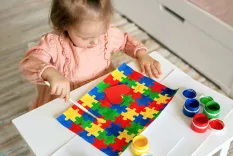
Beyond Milestones: A Case Study with Practical Lessons for Parents Raising Kids with Autism

35 Activities for Preschoolers That Make Every Day a Learning Adventure

Activities for 5-Year-Olds: Fun and Easy Ideas

Fun Activities for 4-Year-Olds Your Kid Will Enjoy
Grow, Learn, and Get Ready: Child Development for Kids
Every kid grows at their own speed, and it's normal to wonder if yours is on track. This section helps you know what to expect at each age, support kids who learn differently, and get ready for kindergarten or homeschool. You'll find activities for ages 1 to 6, milestone guides, play stages, ADHD and autism resources, and school readiness checklists.
What you'll find in this section
The articles fall into three groups.
- Ages and milestones: activity ideas for every age from 1 to 6, plus infant, preschool, and kindergarten activities, drawing development, and play stages like parallel and cooperative play.
- Special needs: play ideas and parenting advice for kids with ADHD, autism, and sensory needs.
- School readiness and homeschool: what kids learn in preschool, what they should know before kindergarten, how to teach a child to read, and how to plan a homeschool day.
Why child development matters
You don't need a psychology degree to support your kid. A few basics make play easier to plan and worries easier to size up.
- The right activity at the right time. A game that fits your kid's stage feels fun. One that's too hard or too easy ends in frustration or boredom.
- Milestones are a map, not a deadline. Kids reach them within a range, so a few weeks or months either way is usually fine.
- Different kids need different tools. Short, active games, visual schedules, and sensory breaks can make learning easier for kids with ADHD or autism.
- Early skills build on each other. Hand strength helps writing, listening helps reading, and taking turns helps in a classroom.
A simple way to use these guides
You don't have to read everything. This routine works for most families.
- Find your kid's age and start with those activities.
- Pick one or two ideas, not ten.
- Watch what your kid enjoys and what frustrates them.
- If something is too hard, go back a step. If it's too easy, add a small challenge.
- Talk to your pediatrician if you notice lost skills, big delays, or a worry that won't go away.
A note on comparing
It's hard not to compare your kid with a cousin or a classmate. Try to compare your kid with themselves a few months ago instead. Steady progress matters more than hitting a skill first.
Support Your Child's Growth with Keiki World
Keiki starts with a short parent quiz and builds a learning path for your kid's age and skills, from 2 to 6+. The path covers reading, math, speech, and more, so the games change as your kid grows. Parents can also use flashcards sorted by age, homeschool curriculums, and over 300 printable worksheets for school prep.
People often ask
Child development is how kids grow in four main areas: movement, language, thinking, and social and emotional skills. These areas grow together, so play usually helps several at once.
Compare your kid with age-based milestone checklists, such as the free ones from the CDC, and talk with your pediatrician at regular checkups. Milestones are ranges, so one late skill isn't automatically a problem.
Talk to your pediatrician if your kid loses skills they had, has big delays in several areas, or if you have a worry you can't shake. Early help usually works better than waiting.
Yes. Play is how young kids practice movement, language, problem-solving, and getting along with others, and it works best when it's relaxed and fits their age.