

About this collection
Print-ready reptile & amphibian coloring pages for kids — instant download and print
Reptile & amphibian coloring pages featuring snakes, turtles and frogs kids adore. Ideal for classrooms, parties and cozy afternoons at home.
Most popular reptile & amphibians coloring pages
Hand-picked by parents from our library of 17+ designs.

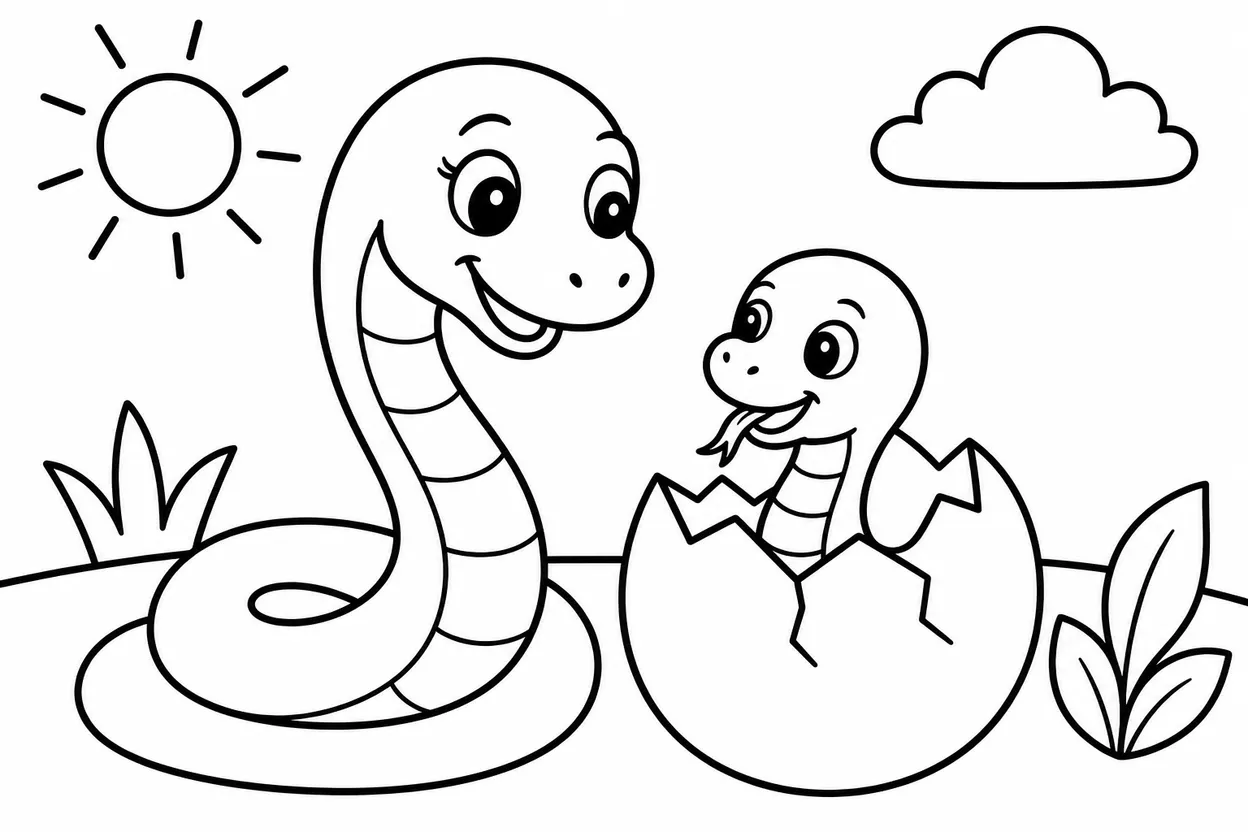

Snakes coloring pages
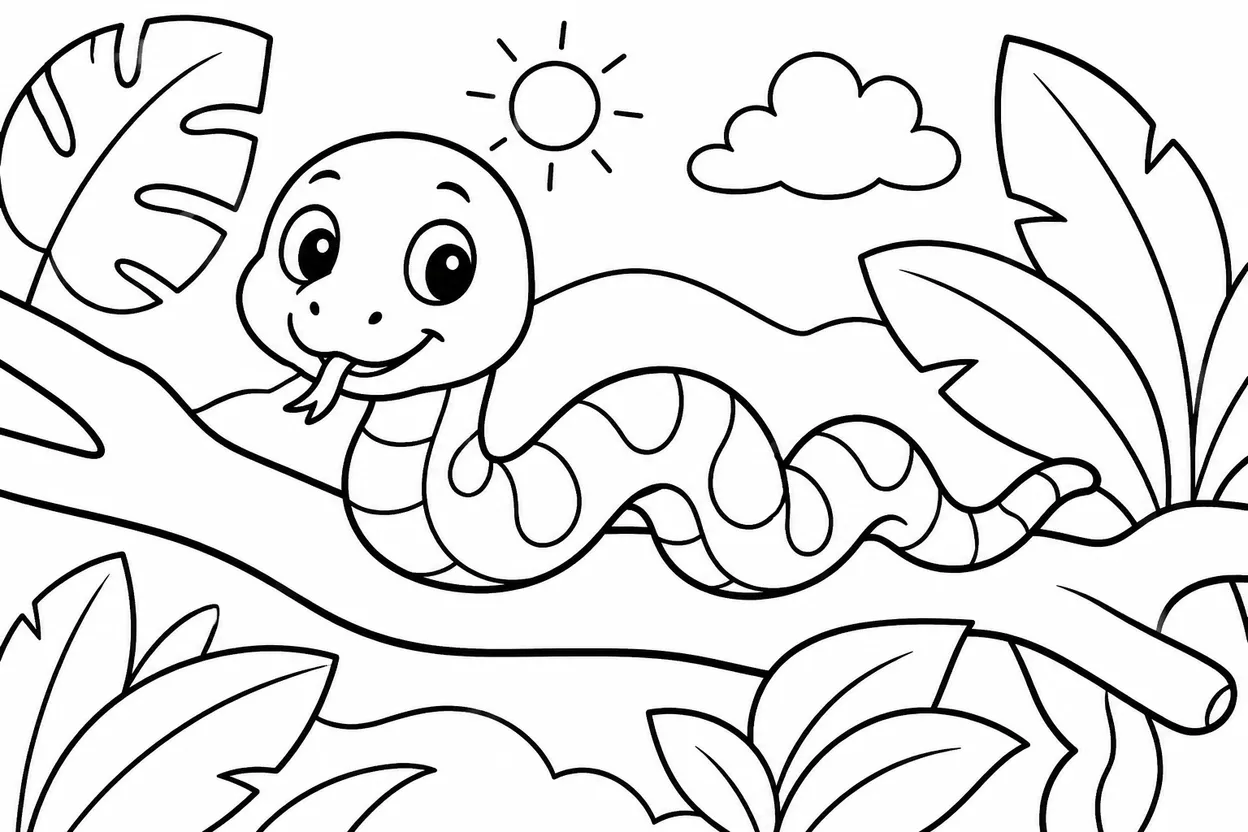
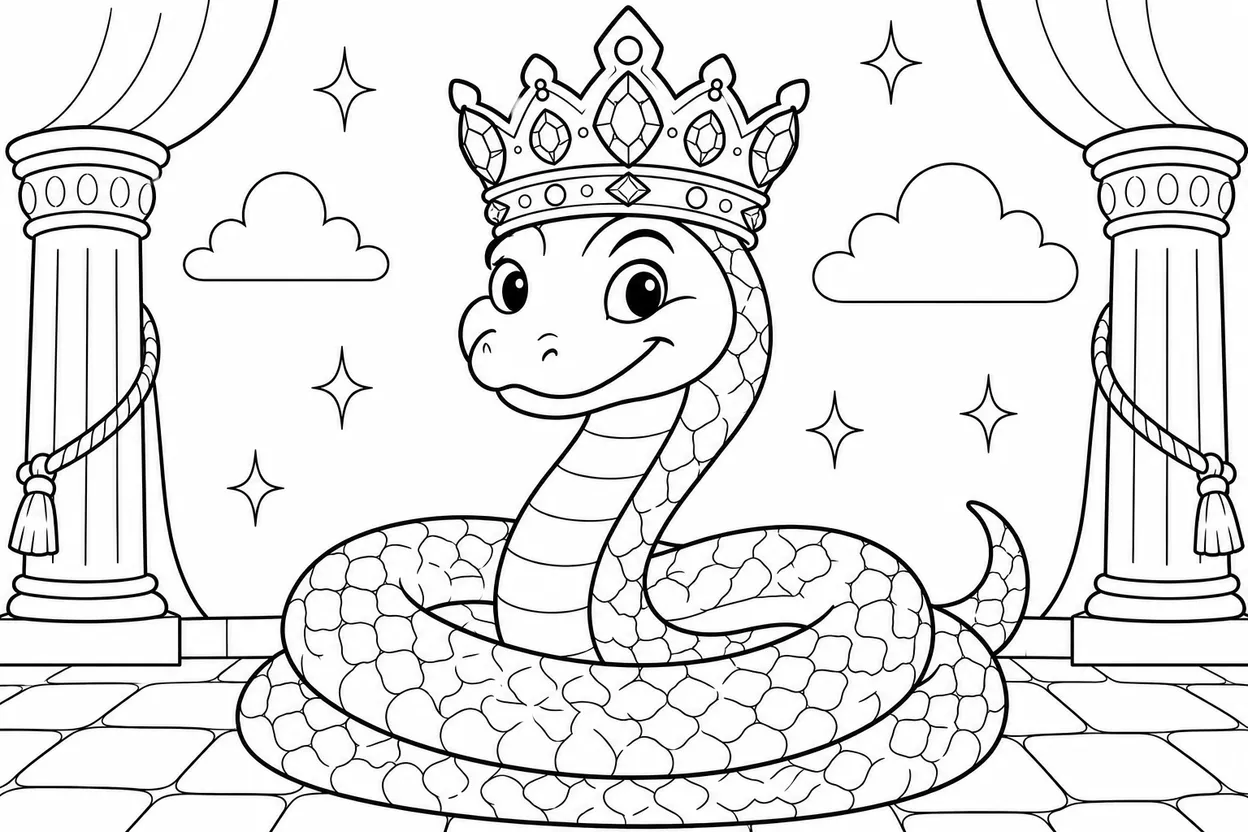
Sss-o much fun! These snake coloring pages let kids color slithery snakes with long, curvy bodies and cool patterns to fill with color.
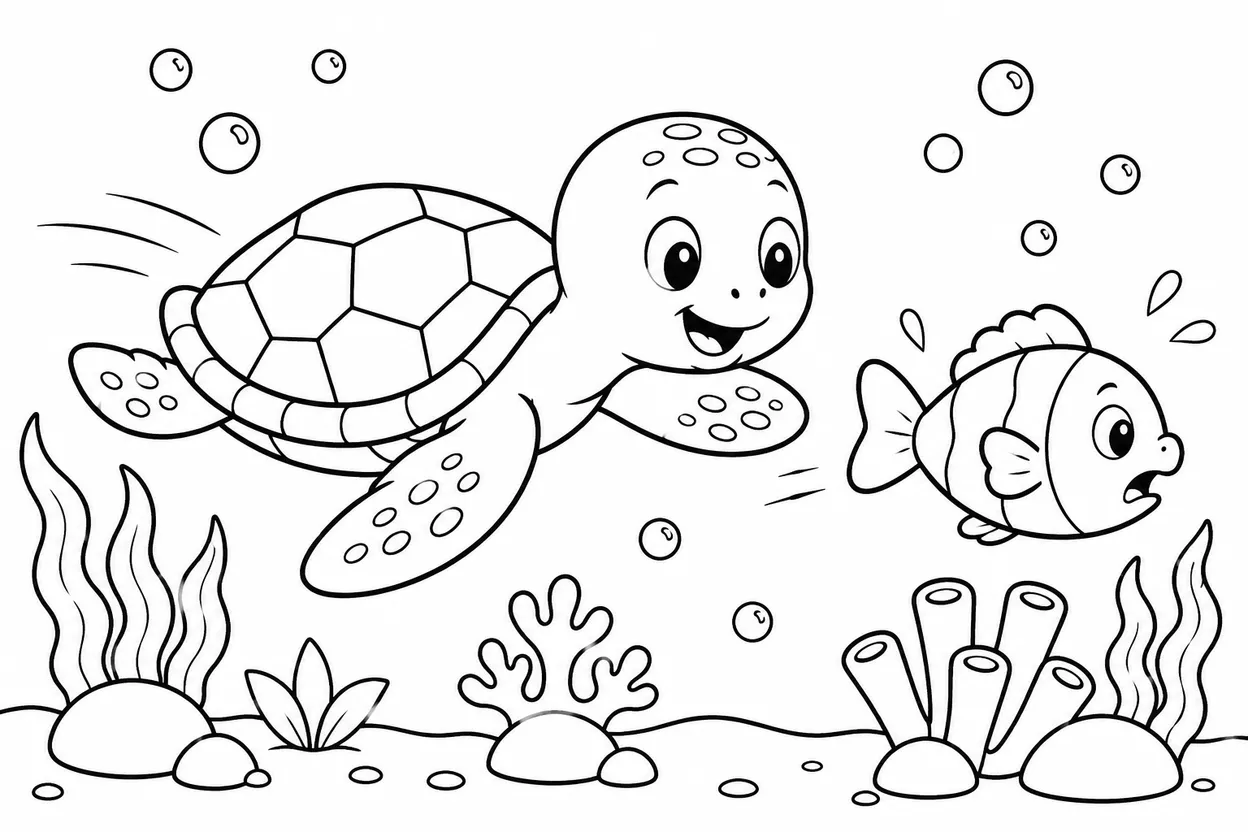
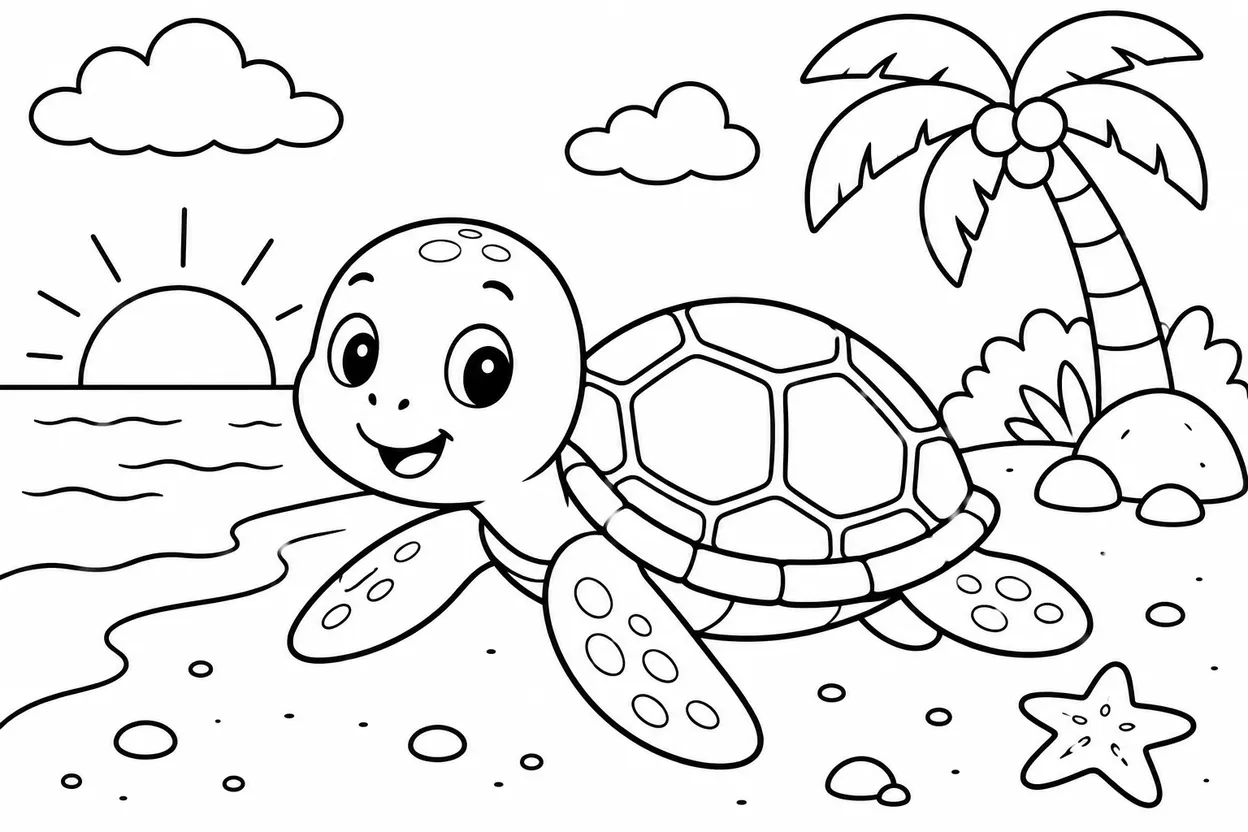
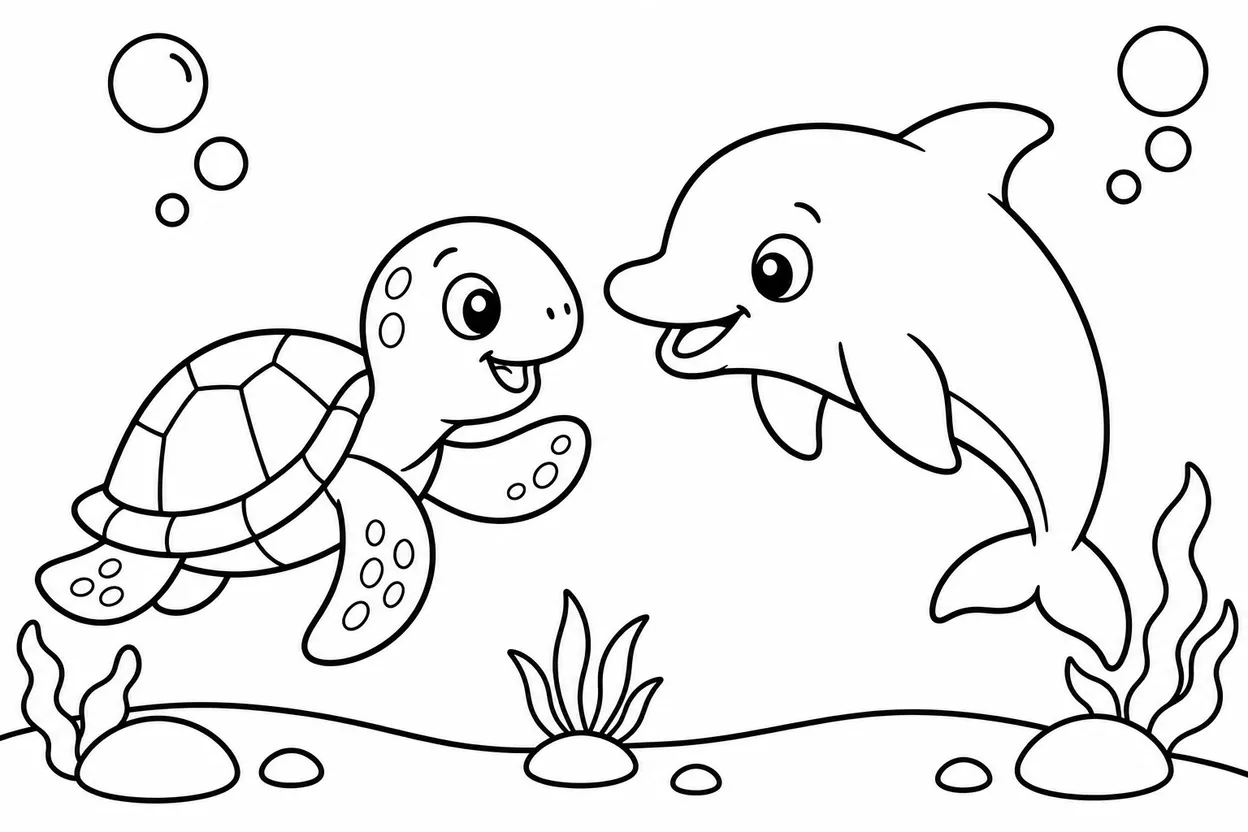
Sea turtle coloring pages
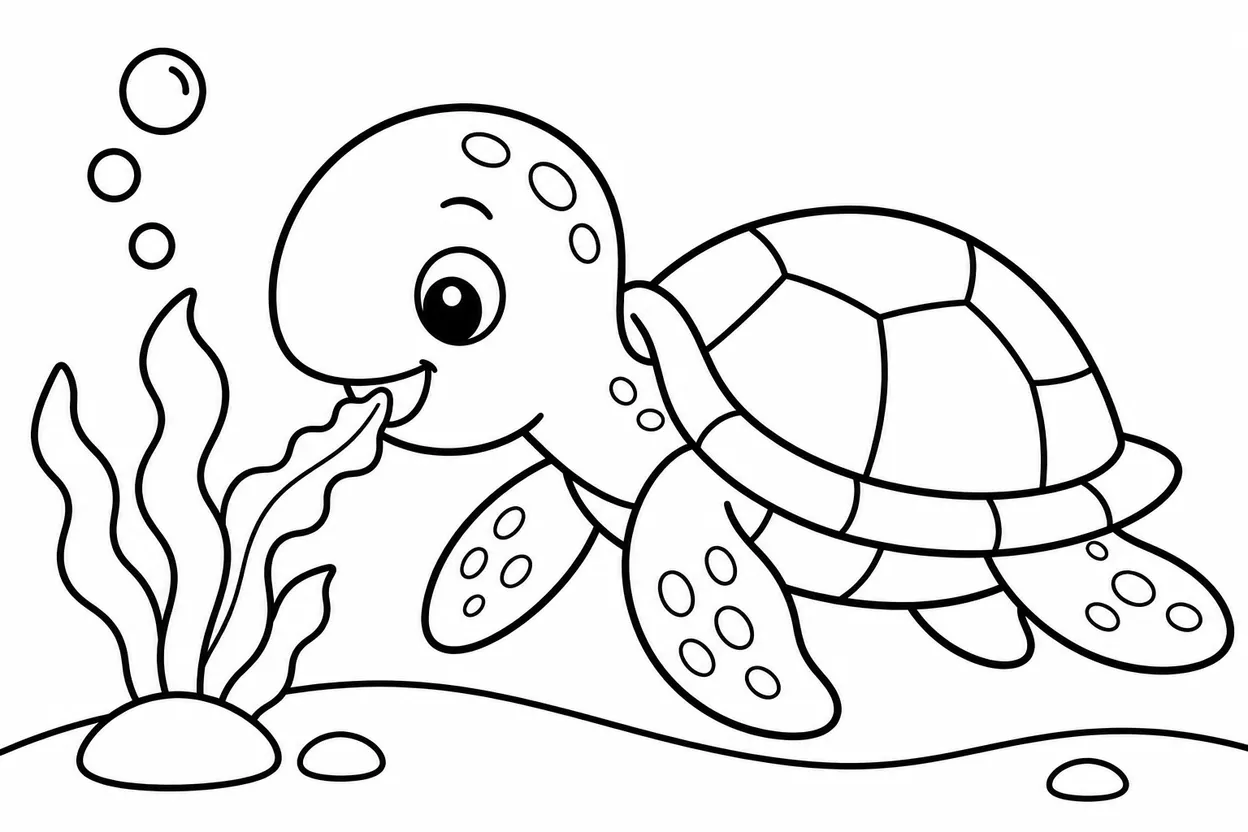
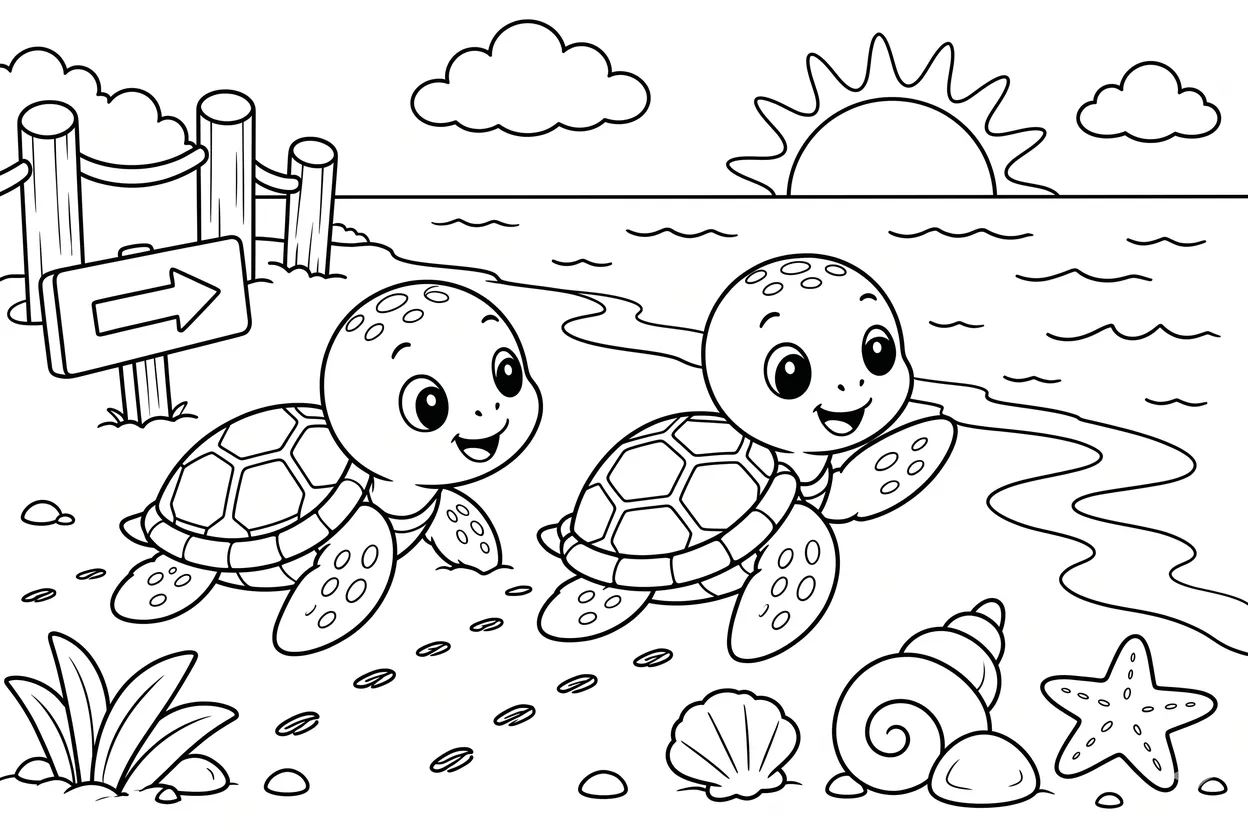
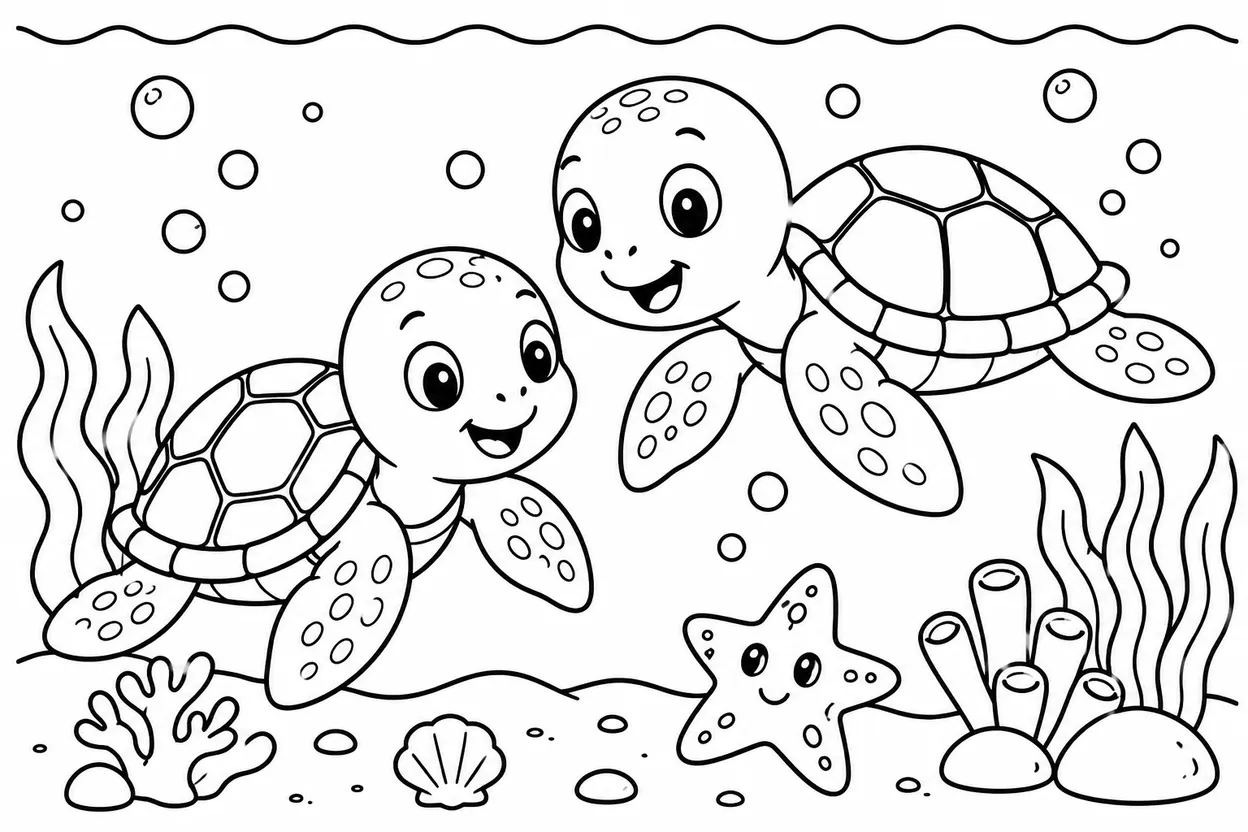
Ride the waves! These sea turtle coloring pages let kids color gentle sea turtles gliding through the ocean with fun, patterned shells.
Reptile coloring pages – unusual, but so interesting
Many parents notice that modern cartoons can be too loud and fast. In contrast, coloring a reptile coloring page is an ideal low-stimulation activity that does not overload a child's nervous system. All reptiles are an unusual area for a little one. They are so different from familiar animals, which means they spark the strongest curiosity. Here we have gathered the friendliest reptiles and amphibians. No scary details – just cute creatures that are so pleasant to get to know.
Cold-blooded but very cute – developing empathy
Snakes, iguanas, and frogs often seem strange or even scary to children (and some adults!). But if images and stories from reptile coloring sheets are before their eyes from early childhood, all stereotypes can be easily broken without tears or fears. By constantly interacting with something misunderstood, a child gets used to it and stops being afraid. In the long run, this teaches how to gently work with fear, self-regulation, and encouraging interest in a wide variety of new topics.
You can also tell your little one about reptiles, backing up their interest with coloring. For example, that these animals don't just bask in the sun, but literally warm up because their blood is cold. If you think about it, there are many interesting facts surrounding snakes and lizards, from the ability to regrow a tail to shedding skin. Imagine how much they can surprise! You can also come up with a name and a story for your character. Such personification through creativity helps a preschooler develop deep empathy and understand that we need to love, respect, and protect not only fluffy kittens but also these unusual inhabitants of our planet.
Natural camouflage – playing hide-and-seek on the page
Let's add some magic to the creative process! Reptiles and amphibians are unsurpassed masters of disguise in the wild. In Keiki, you will find not only online reptiles coloring pages but also sheets for printing, which you can use to create entirely new tasks. For example, creating a logic quest.
Ask your little one to color a lizard so that it hides against a background of green leaves, or make a snake completely invisible among the yellow sand of a desert. Such non-trivial tasks are a boost for the development of spatial and associative thinking. The child learns to analyze the habitat and select appropriate colors.
People often ask
Yes, because they actually help get rid of the fear. In our collection, reptiles are drawn as friendly as possible. By coloring a snake in unusual colors and seeing lizards and amphibians before them, a child lowers their own level of anxiety and sees an example that these creatures are not so scary.
Print reptile coloring sheets and suggest a "find the differences" game in reverse. Let the child color two identical chameleons, but add red spots to the back of one and blue stripes to the other.
Working with realistic reptile coloring pages requires the child to monotonously color small, repetitive elements. This directly forms the skill of rhythmic wrist movement, which is necessary for smooth handwriting and avoiding fatigue at school.
In nature, they come in absolutely any shade: from camouflage gray to acid yellow (like some poison dart frogs). Allow your child to use the entire palette of markers with reptile coloring pages – it develops freedom of self-expression.
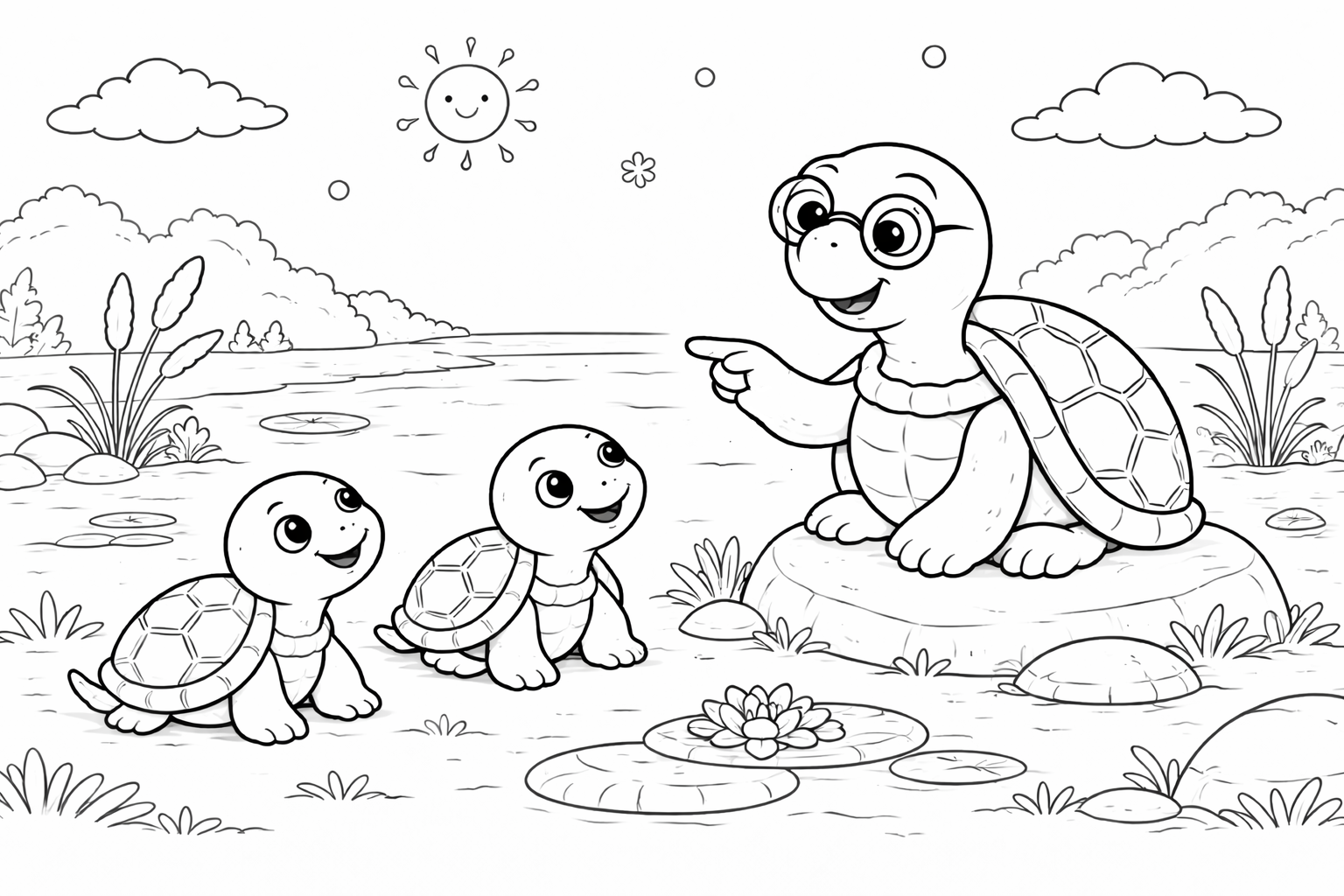
While working on a reptile coloring page, simply say: amphibians (frogs) are born in water and their skin is always moist, while reptiles (lizards, turtles) hatch from eggs on land and wear armor made of dry scales. Visual drawings will help them remember this information.