How to teach kids to read – everything you need to know

If parenting were a game, then reading would definitely count as one of the final bosses. Your little one has learned to walk, talk, use the potty, and even open the fridge independently. It seems like you can finally relax. But then IT appears on the horizon. Learning to read.

Parent chats are buzzing, ads are offering flashcards that promise to teach babies to read from infancy, and your search engine is probably about to break from searches like how to teach a child to read. Take a breath – we know you are not alone, and now you know it too. Almost every responsible parent eventually begins to feel the pressure that time is moving too fast, that this important skill has not yet been mastered, and that a love of books is about to disappear forever.
But the truth is that it is never too late to start. Once you understand how to teach a kid to read, you can break the entire process down into tiny steps, controlling every aspect while still giving your child room to develop interest naturally. We are not going to promise magical results in three days because learning to read is an incredibly complex neurobiological process. But with this article, you will have a clear strategy for how to teach your child to read.
How children learn reading – important neurobiology
The first thing everyone should understand when trying to figure out how to teach reading to kids is that the human brain is not evolutionarily designed for reading. Yes, it sounds strange and very direct. Humans are born with systems optimized for recognizing speech and faces. Reading, however, is a cultural invention that is only a few thousand years old. To learn to read, the brain literally has to reprogram itself by creating new neural connections between the visual cortex and the auditory processing areas. To help kids learn to read, these connections must be built gradually.
By the way, educational and psychological approaches to learning to read for kids have changed many times over the years:
- Whole-word method. Learning through visual memorization of entire words as if they were pictures.
- Phonics. Learning the relationship between letters and sounds and then blending them into words.
Spoiler: phonics won. Modern neurobiology has proven that the best way to teach a child to read is through phonics combined with the development of phonemic awareness. Memorizing whole words only works in the very early stages and quickly reaches a dead end once words become longer.
Help your child
grow with Keiki
We’ll help you turn everyday screen time
into real learning progress.
How to teach my child to read – skill development by age
When parents search for how to teach my toddler to read or how to teach a 5 year old to read, they often confuse the stages. You cannot expect a child to blend syllables if they cannot hear individual sounds in words yet.
Pre-reading and phonemic awareness at ages 1–3
At this stage, teaching kids to read actually means not showing them letters at all. Yes, really. The main goal right now is to train the ears to hear sounds. A child must understand that words, which seem like one continuous stream, consist of separate parts – little building blocks.
To help kids learn how to read at this stage, read aloud often, sing songs, learn simple rhymes, and clap along to poems.
Letters and their sounds – the phonics stage at ages 3–4
Parents searching for how to teach preschoolers to read usually begin here. We introduce the child to symbols. We teach SOUNDS, not letter names. Not “EM,” “BEE,” or “KAY,” but short and clear “M,” “B,” and “K.” If you teach children only letter names, they will read the word CAT as “CEE-AY-TEE” and not even understand what they said.
Blending at ages 4–5
This is the hardest stage and the one that raises the most questions about how to help my child read. The child knows that this is the letter “M” and this is “A.” But how do you get them to hold hands and sound like “MA”? This stage requires enormous patience and many practical games, which we will discuss below.
Fluency and sight words at ages 5–6
The child can already read syllables. Now we introduce sight words – common words that are easier to memorize visually, such as the, is, and you. This is the key to how to teach your kid to read faster and more smoothly.
Games that teach children to read naturally
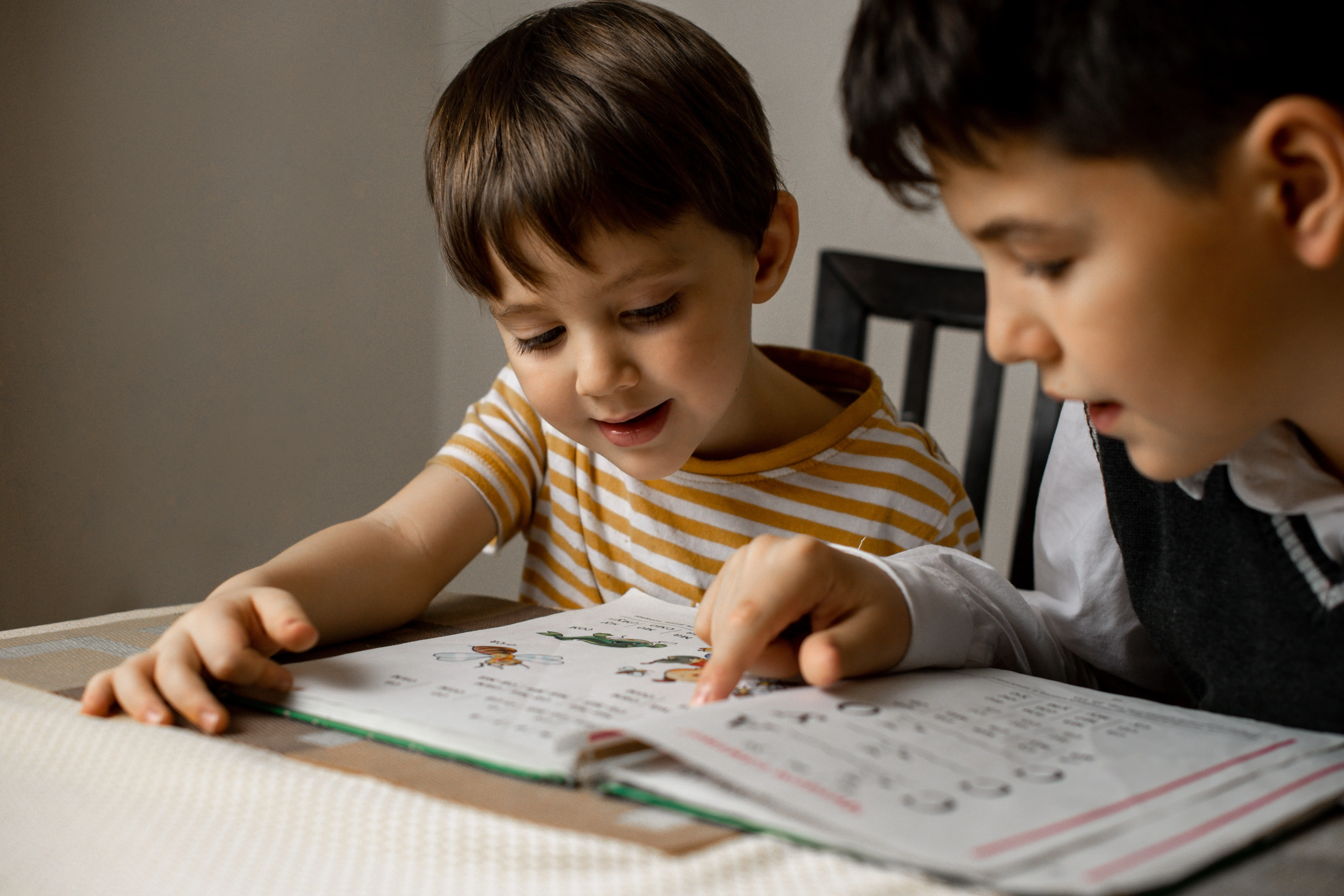
Now we come to the fun part. If you have been searching for methods for teaching children to read, the easiest way is through games. Preschoolers, especially between ages 3 and 5, learn best through play and movement.
Listening games for phonemic awareness
Perfect for parents looking for how to teach kids how to read from the very beginning. At an early age, it is important to learn to work with sounds and distinguish them by ear.
I spy
A true classic with lots of educational value. You say: “I spy something that starts with the sound [S].” The child searches the room for objects or furniture that begin with that sound.
Robot talk
Tell your child that your inner robot is broken and now speaks in separate sounds. “Bring me the B-A-L-L. Let’s drink J-U-I-C-E.” The child must mentally blend the sounds together and complete the task.
Treasure basket
If you have ever wondered how to teach my kid to read from an early age, this game works perfectly. Put small toys into a box. Ask the child to find all the objects that end with the sound [K].
Clap the syllable
Say words and ask the child to clap the number of syllables. MA-CHI-NE (3 claps). CAT (1 clap). This helps children understand the rhythmic structure of words, which is one of the best ways to teach a child to read.
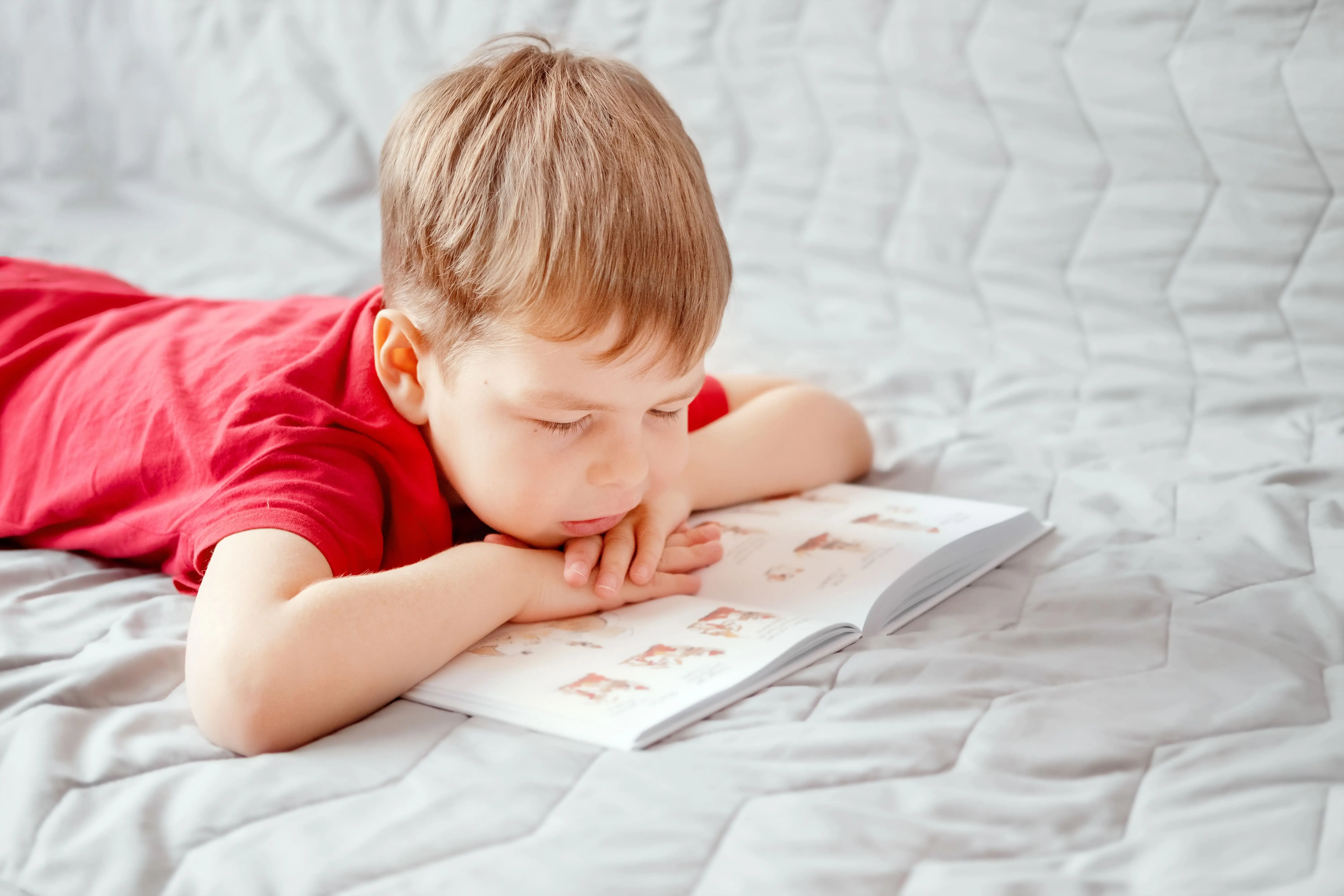
Letter games – learning symbols
How to teach a kid to read at home once you have mastered sounds? Move on to letters because further reading development is impossible without them.
Edible alphabet
Children remember best what they physically interact with. Make dough – even simple gingerbread dough works well. Use a knife or molds to shape alphabet letters. Once the letters are baked, eating their own name becomes the best reward.
Letter car wash
You can teach kids to read through games involving controlled chaos and mess. Write letters on toy cars with washable markers. Then give your child a basin of soapy water, a sponge, and instructions like: “Emergency! We need to wash the car with the letter B!”
Ghost hunters
In a dark room, place sticky notes with letters on the walls. Give the child a flashlight. You say a sound, and the child must catch the correct letter with the flashlight beam. Action and learning combined – the perfect recipe for how to teach children to read.
Sensory construction site
Fill a container with kinetic sand or semolina and hide plastic letters inside. Let the child dig with a toy excavator, pull out the letters, and say their sounds.
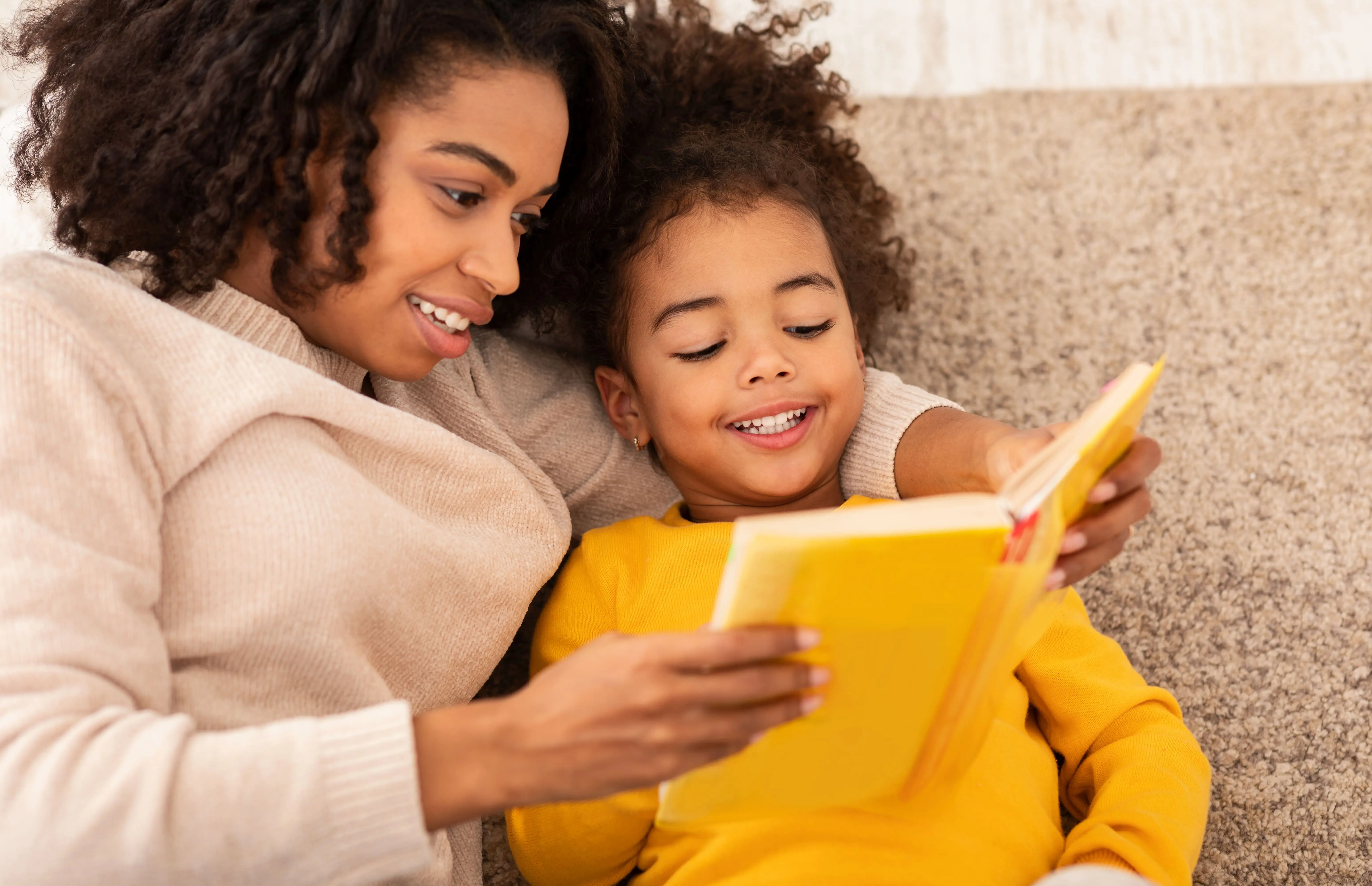
Blending games – reading first words
Use these activities when it is time to move toward actual reading. These games help children learn to read on a deeper and more thoughtful level.
Reading dice game
Turn reading into a tabletop adventure game. Take two dice. Put consonants on one and vowels on the other. The child rolls the dice like a real adventurer and reads the resulting syllable. If they roll a syllable that can become a word, reward them with a sticker.
Syllable parking lot
Draw a parking lot on cardboard where each parking spot contains a syllable such as MA, PA, or BA. Take a toy car and say: “The car is driving to the RU parking spot!” The child drives the car to the correct syllable.
Word train
Consonants are blue train cars, and vowels are red ones. Connect them physically using Lego or magnets and slowly stretch the sound of the first car until it bumps into the second one. You can help kids read by sounding out what happens when the letters connect.
Jump and blend
Write two sounds far apart on the floor, such as S and O. The child stands on “S,” stretches the sound “SSSSS,” and runs toward “O,” blending the sounds together at the moment of the jump.
Build real skills through fun, educational games for your child
Try KeikiHow to teach a child to read with apps?
Parents often ask: what is the best way to teach a child to read when there is no time? The answer is simple – delegate part of the routine to gadgets.
If you are looking for ways to help kids read while working full-time, apps like Keiki can become real assistants. Keiki includes many reading games built on the latest developments in early childhood education. These apps answer the question of how to teach a kid to read very simply – through interactivity and sustained interest. In Keiki, you can find activities that help children not only learn to read but also write, study letters and sounds, and develop speech because all these processes are interconnected.
- Tracing letters and words. The child traces the outline of letters with a finger. In Keiki, this process is turned into engaging interactive activities and games. It also activates muscle memory.
- Blending generators. Interactive activities where two letters collide on the screen or where sounds and words must be matched together. Visualizing this process on a screen is incredibly helpful for children who get stuck at the blending stage.
- Sound, letter, and word hunts. Games where a frog catches the correct letters with its tongue or where children build words from moving blocks keep kids entertained while they learn naturally.
How to teach a preschooler to read using gadgets? Dedicate just 15 minutes a day to focused play in the app, and you will quickly notice how digital skills transfer into real-world letter recognition on street signs and in books.