

Keiki Blog – parenting & early learning insights
Discover engaging parenting tips, child development insights, and creative learning ideas to support your child’s growth through every stage – curated with care by Keiki
Turn number time into game time


Working Memory Games for Kids That Actually Build the Skill

52 Fun Brain Teasers for Kids (With Answers)

45 Fun Kindergarten Activities for Kids Ages 5–6

What Do Kids Learn in Preschool? A Complete Guide

What Do First Graders Learn in Math?

What Should My Child Know Before Kindergarten
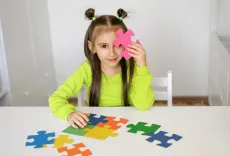
26 Critical Thinking Activities for Kids: From Toddlers to School Age

26 Engineering Games for Kids – Ideas for Developing an Engineering Mindset

Guide to STEM activities for preschoolers
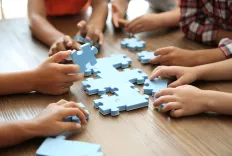
16+ Problem Solving Activities for Kids (Fun & Easy)

Everyday Sorting Games Growing Early Data Science Thinking For Preschoolers

Concentration games for kids – developing attention through fun activities

Strategy Games for Kids: Ideas and Tips for Child Development

Mystery Games for Kids: Every Mystery is a Development Tool

13 Spy Games for Kids – Develop Attention and Logic Through Favorite Plots

Best Memory Games: Ideas by Age and Helpful Tips

Effective Brain Games for Child Development: Tips and Ideas
Think, Count, and Solve — Math & Logic for Kids

Numbers, patterns, and puzzles — math and logic is all about helping kids think clearly and feel confident with numbers, long before math turns into something they dread.
Why Math and Logic Skills Matter in Early Childhood
- Numbers make more sense through play. Counting, comparing, and sorting objects build real understanding, not just memorized answers.
- Kids learn to think, not just guess. Puzzles and simple strategy help kids try something, see if it works, and adjust — a skill way bigger than math alone.
- Math is already part of daily life. Counting coins, rolling dice, keeping score — kids practice real math without even noticing.
- Logic helps with everything else too. Spotting patterns and thinking things through carries over into reading, science, and everyday problem-solving.
How to Use Math and Logic Activities
You don't need much to get started — a deck of cards, some dice, or just paper and a pencil. Begin with simple counting and number games for younger kids, then move into card games, patterns, and strategy as they grow more confident. Short, frequent practice works better than one long session, especially for little ones.
Build Math and Logic Skills with Keiki World
Want to keep the learning going beyond paper and dice? Keiki offers number games, logic puzzles, and brain-building challenges in one simple app for kids ages 2 to 6. Activities grow with your child, so counting games naturally lead into patterns and strategy as their skills develop. Parents also get access to over 300 printable worksheets, including packs for early math and problem-solving.
People often ask
Even toddlers around 1 to 2 years old can start building number sense through simple counting, sorting, and comparing — no formal "math lessons" needed yet. Real number work usually kicks in around preschool age, once a kid can count a small group of objects and tell which pile has more.
Short bursts work best — think 5 to 15 minutes, especially for toddlers and preschoolers whose attention spans are still pretty tiny. A few short sessions spread across the day beat one long sit-down session every time.
Math skills cover counting, number recognition, and basic operations, while logic skills are more about reasoning — spotting patterns, solving puzzles, and figuring out cause and effect. They overlap a lot in early childhood, since puzzles and simple strategy games build both at once.
Keiki World builds real math skills through number games, logic puzzles, and brain-building challenges designed for kids ages 2 to 6, not just passive screen time. Activities are structured to grow with your child, so early counting naturally leads into patterns and strategy as skills develop.