

About this collection
Bee coloring pages to print, free for kids of any age
A bee coloring sheet is about as simple as coloring gets: a round body, a few stripes, two see-through wings. That simplicity is exactly why it works so well for toddlers just starting out.
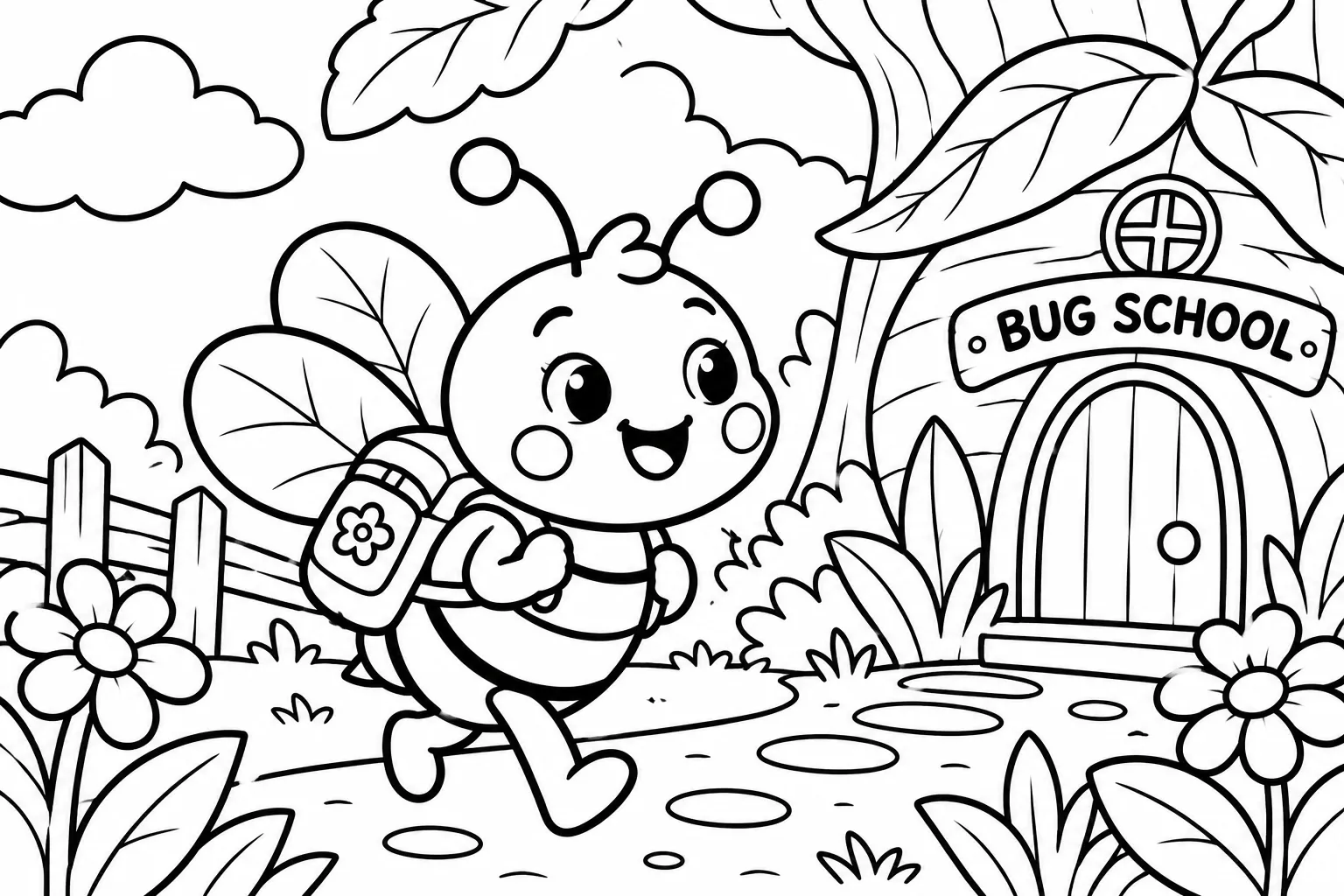

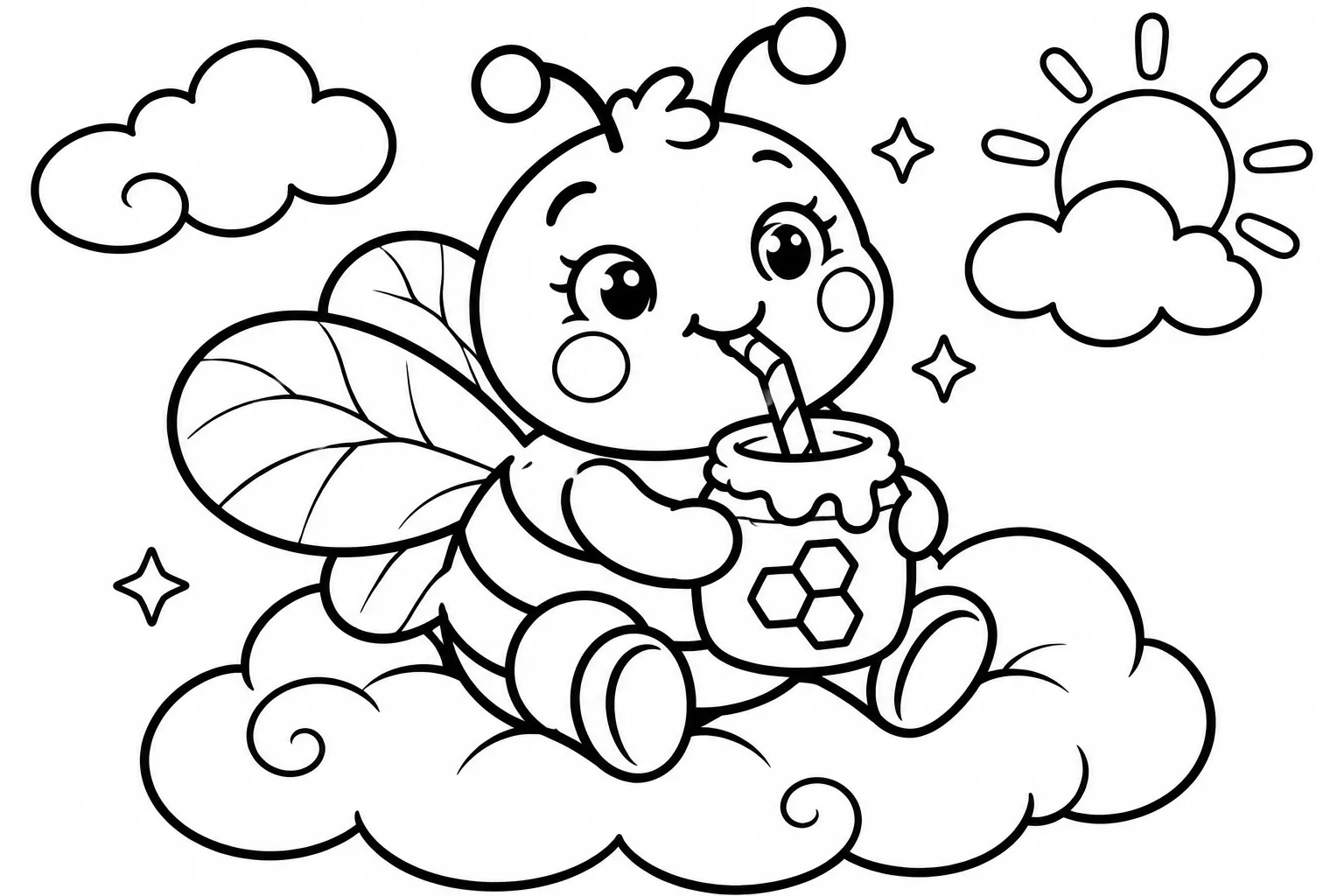
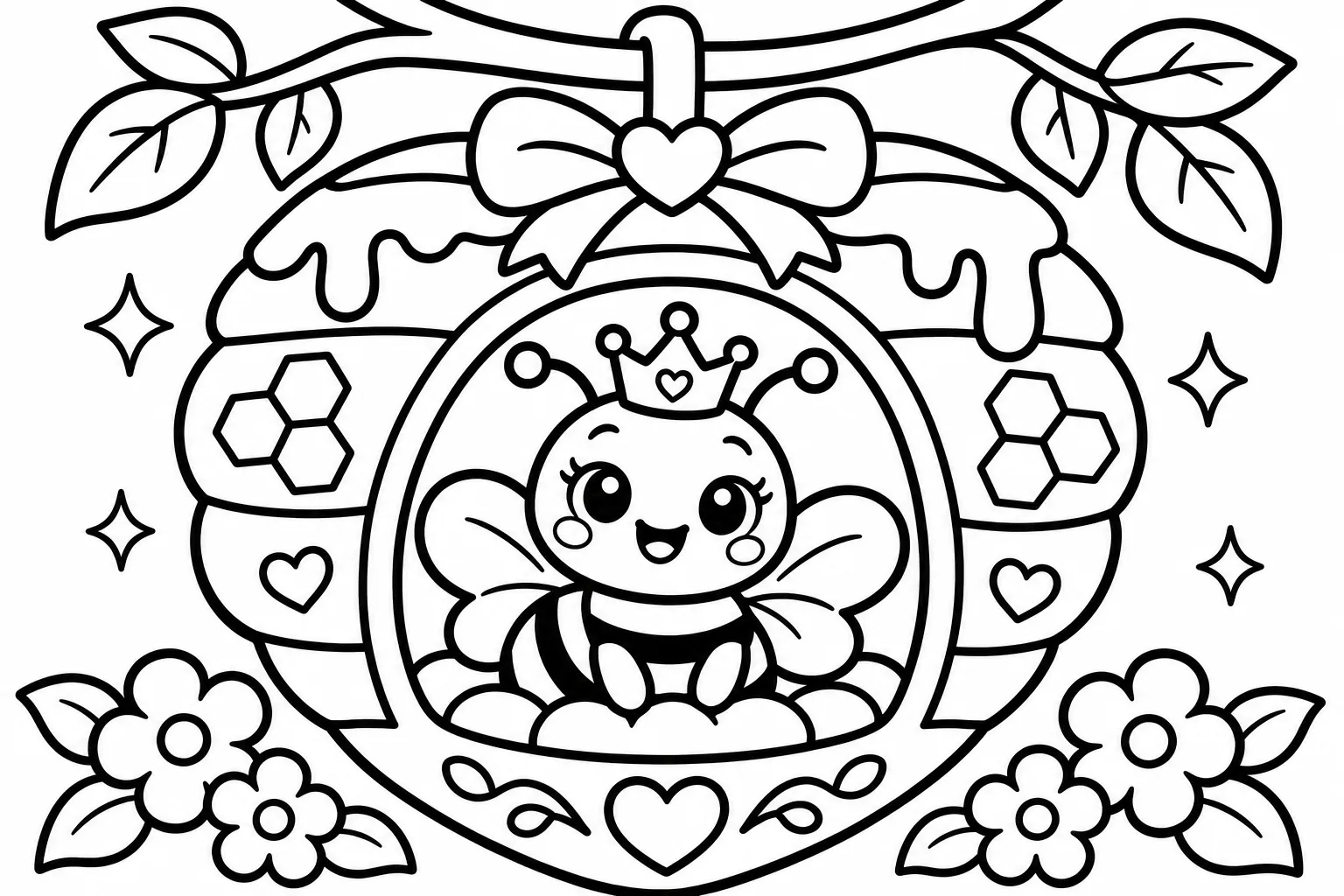
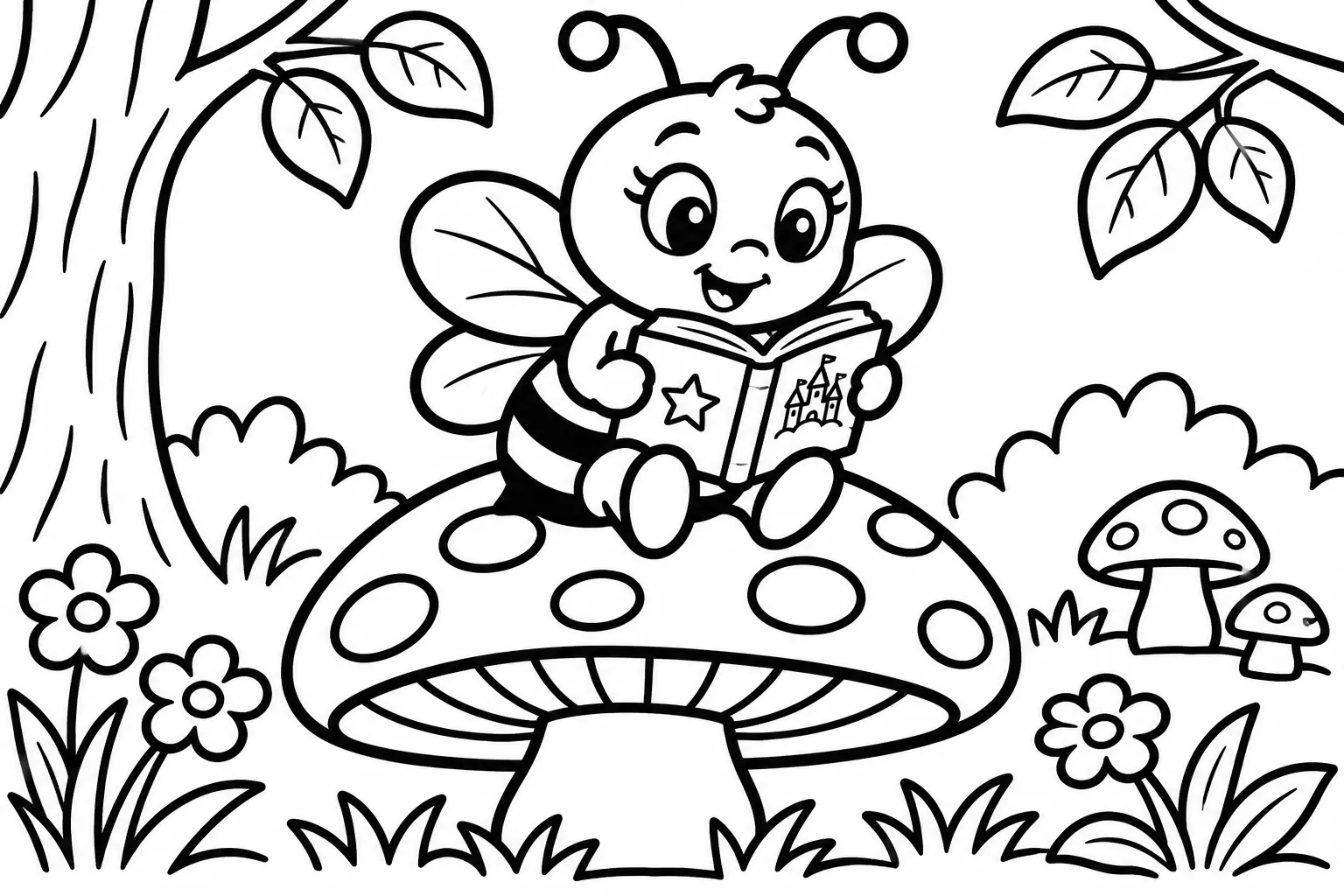
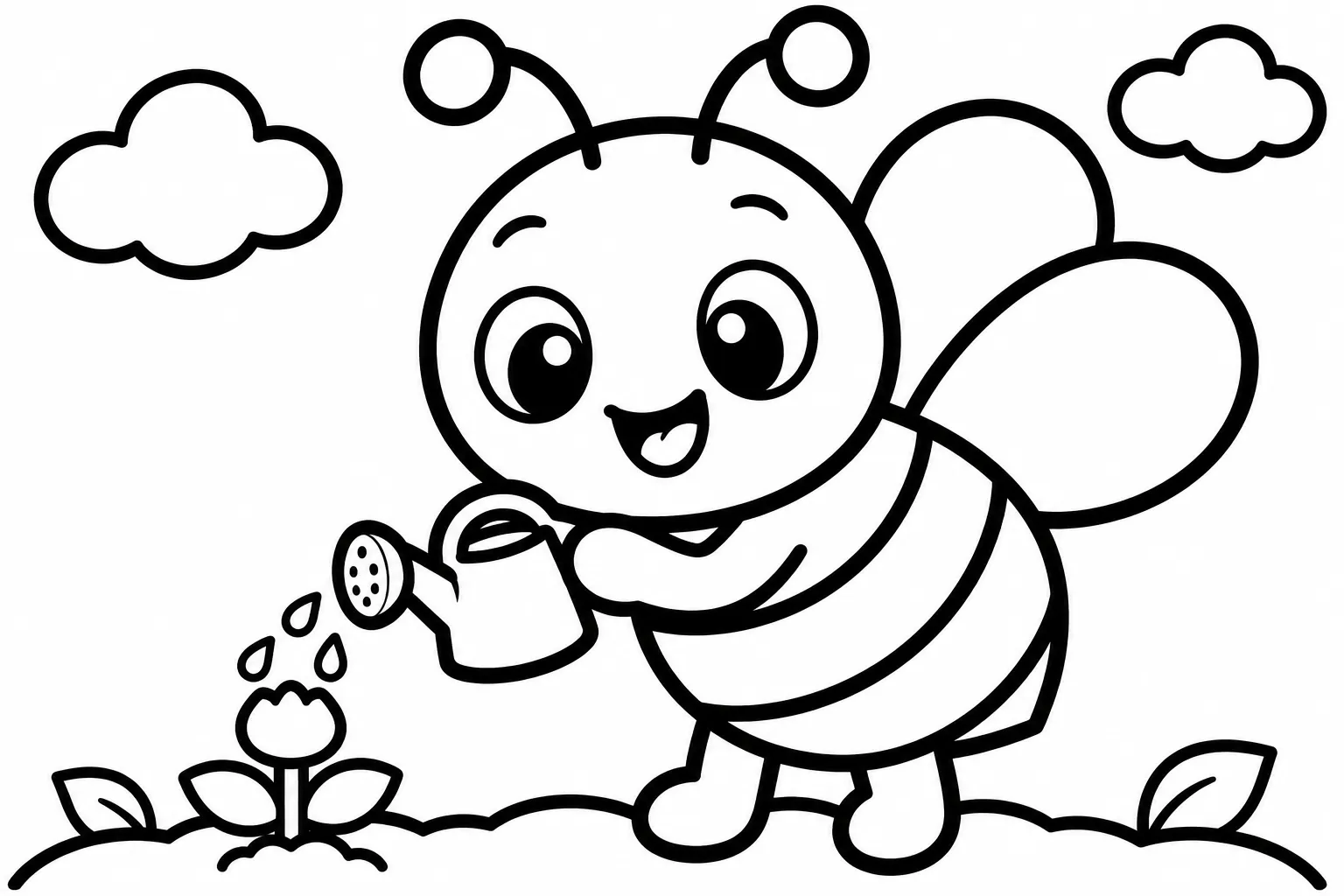
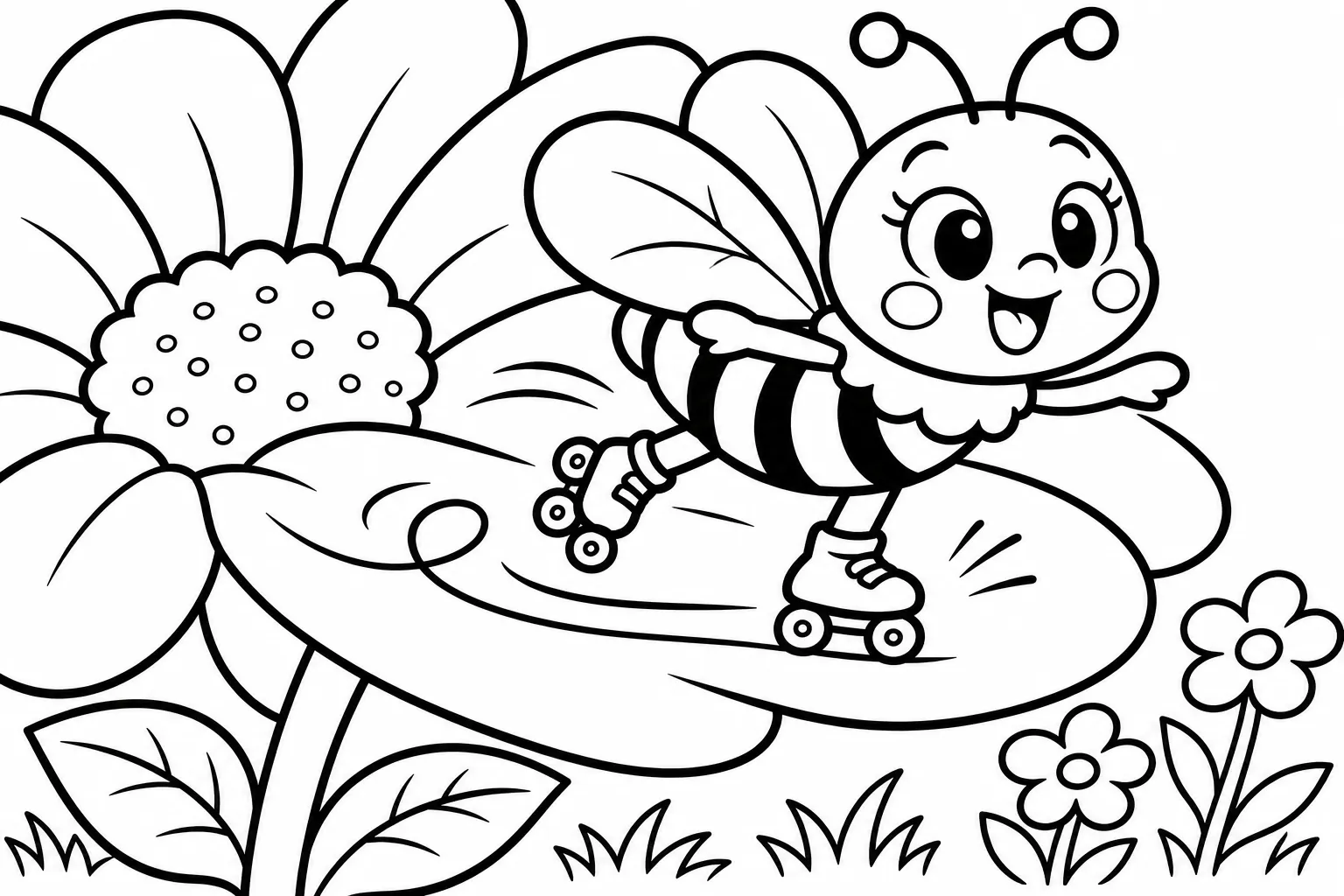
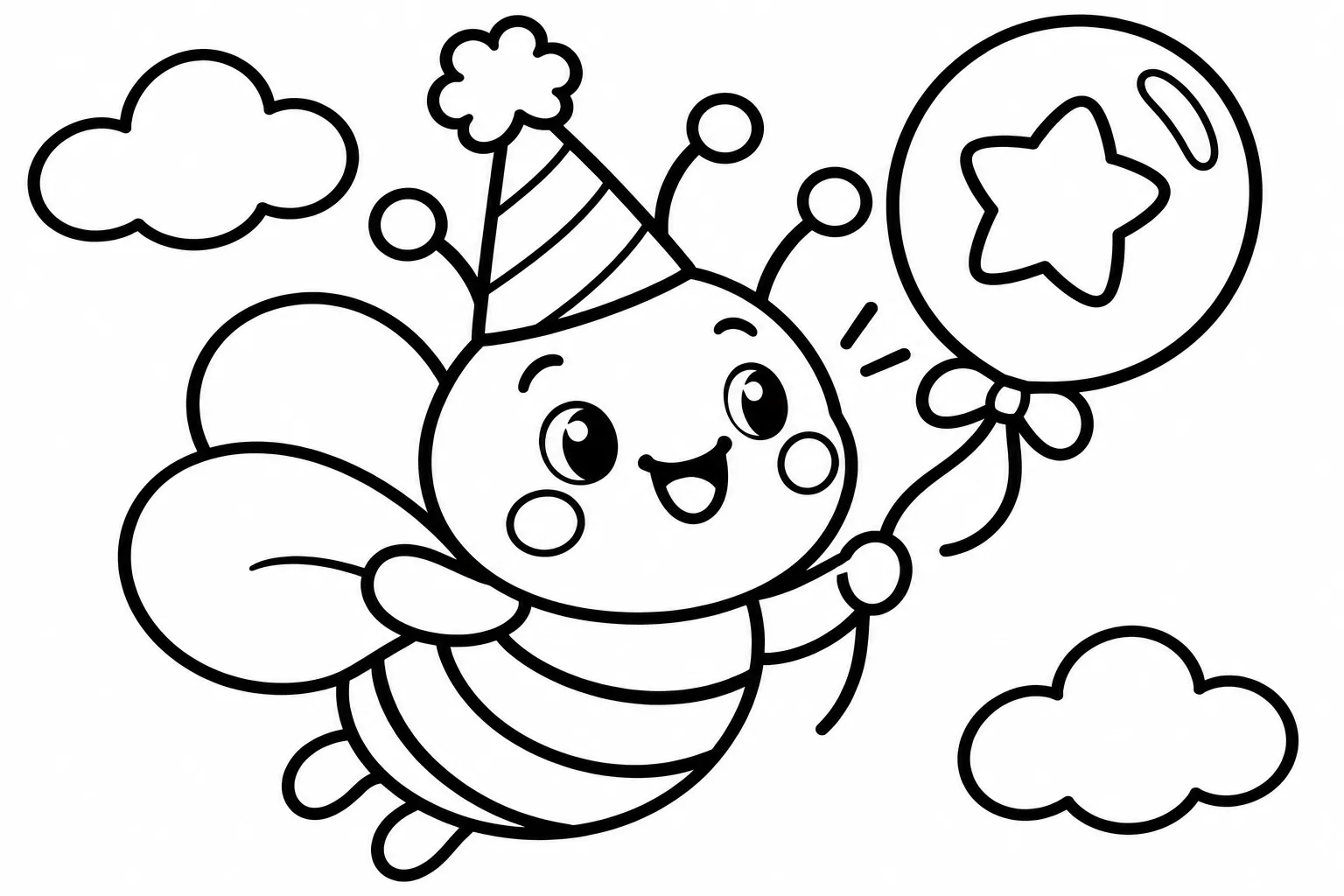
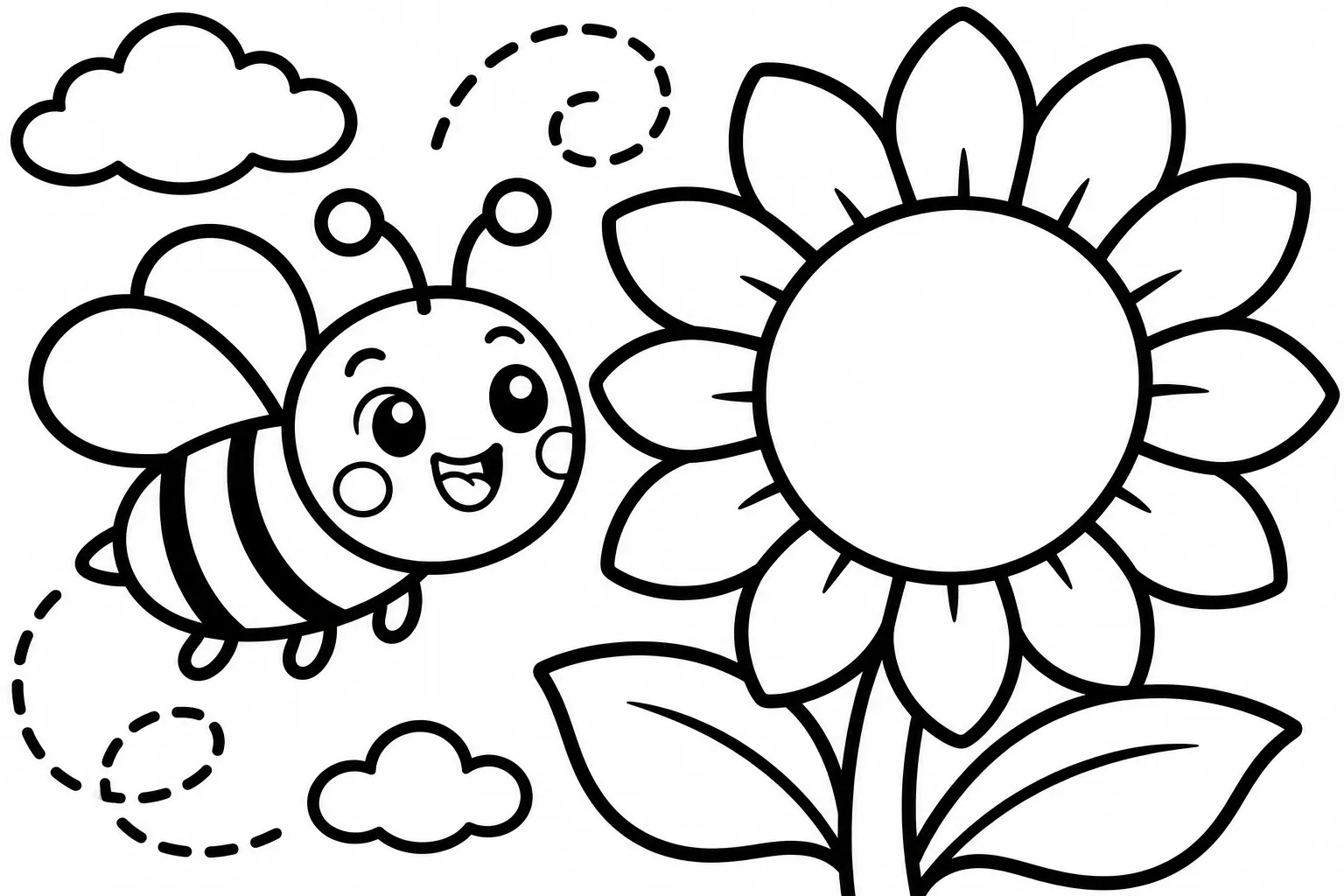
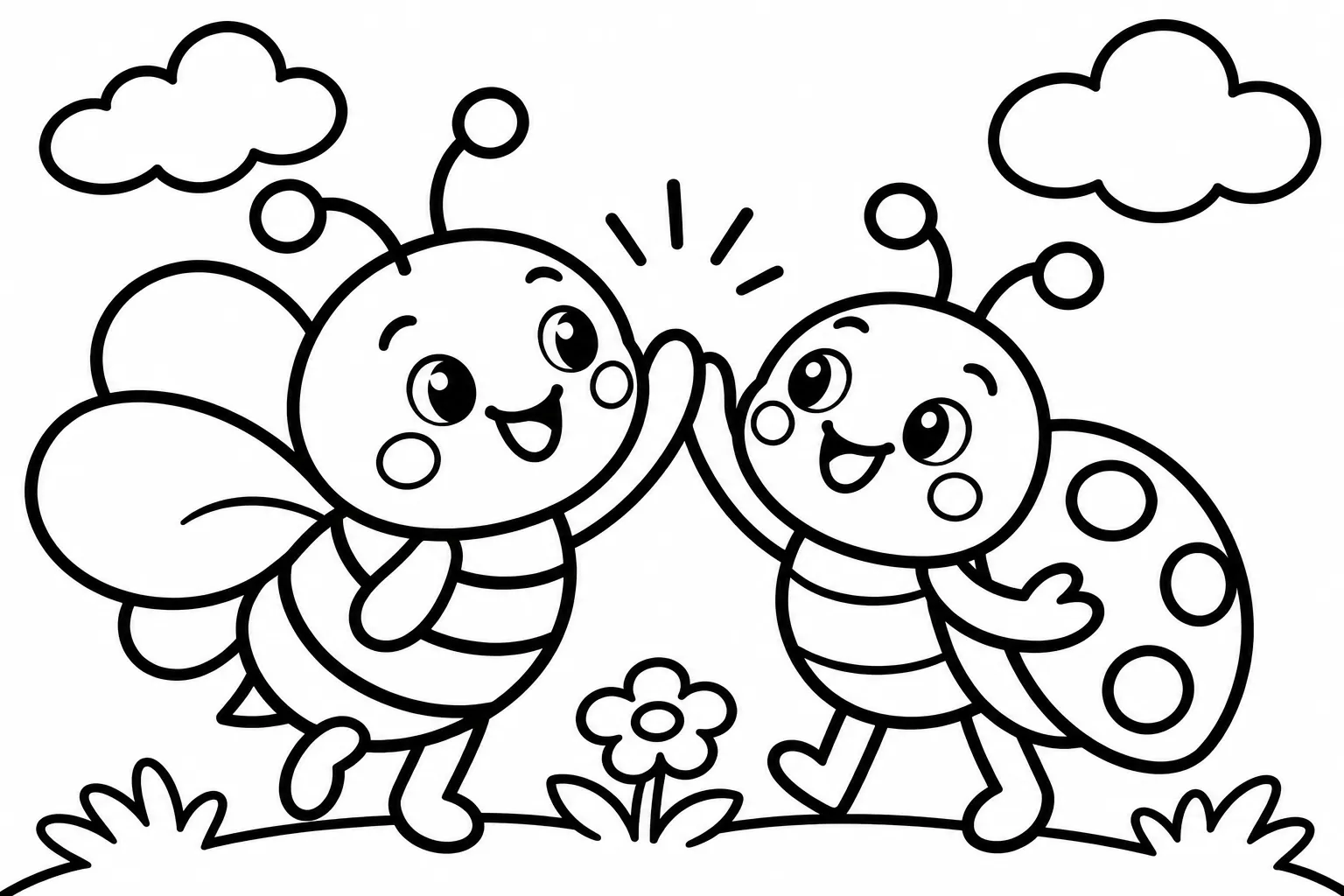
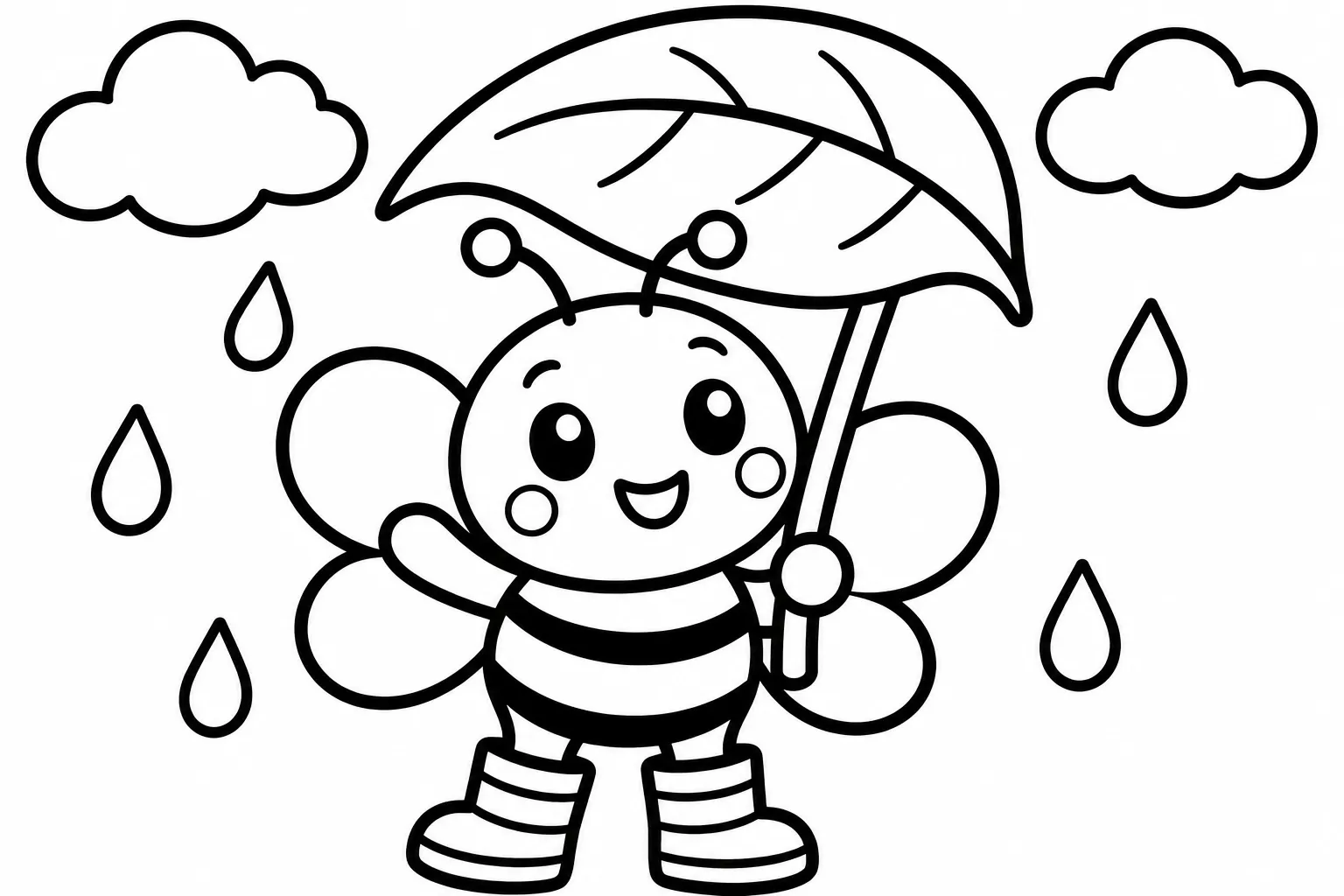
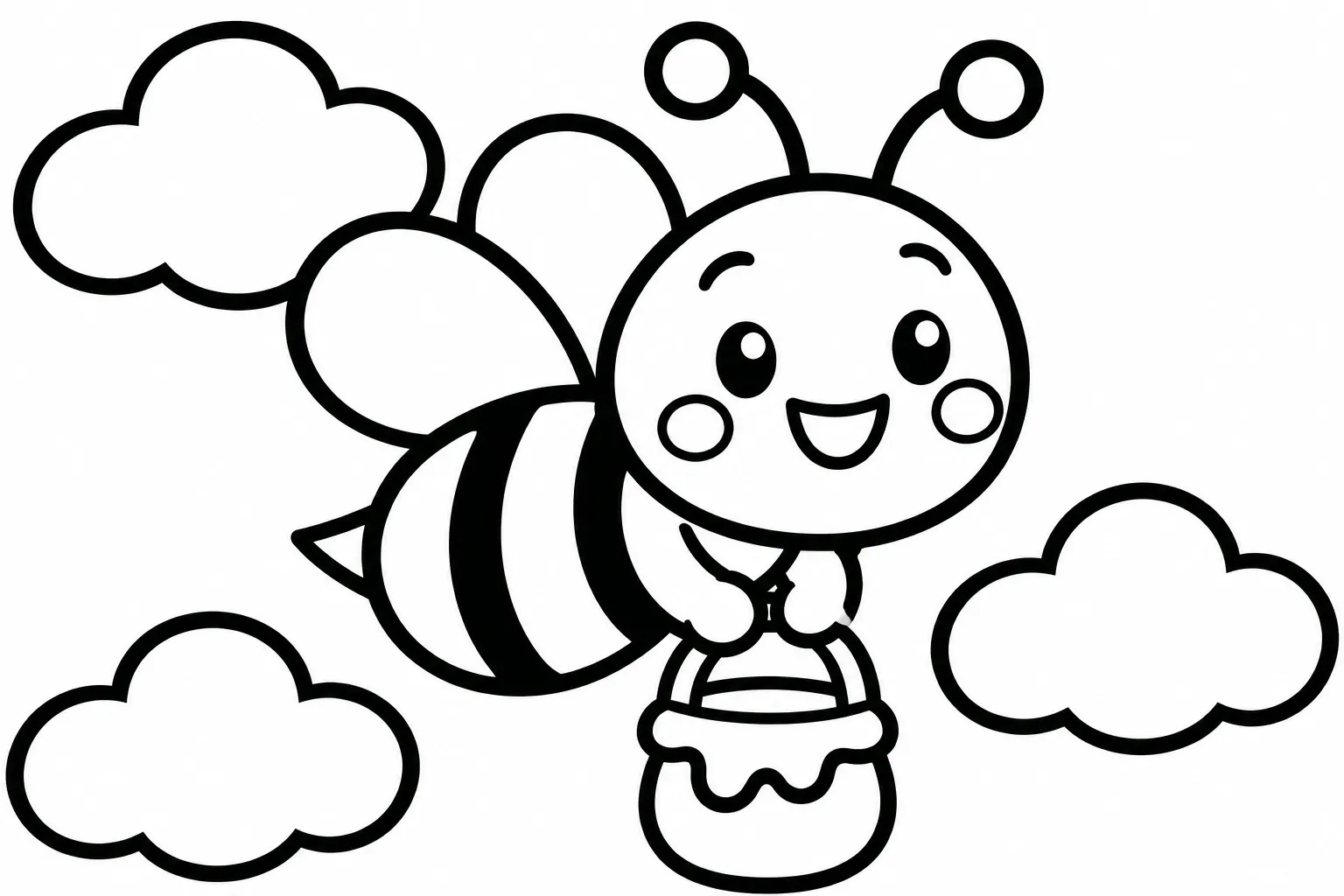
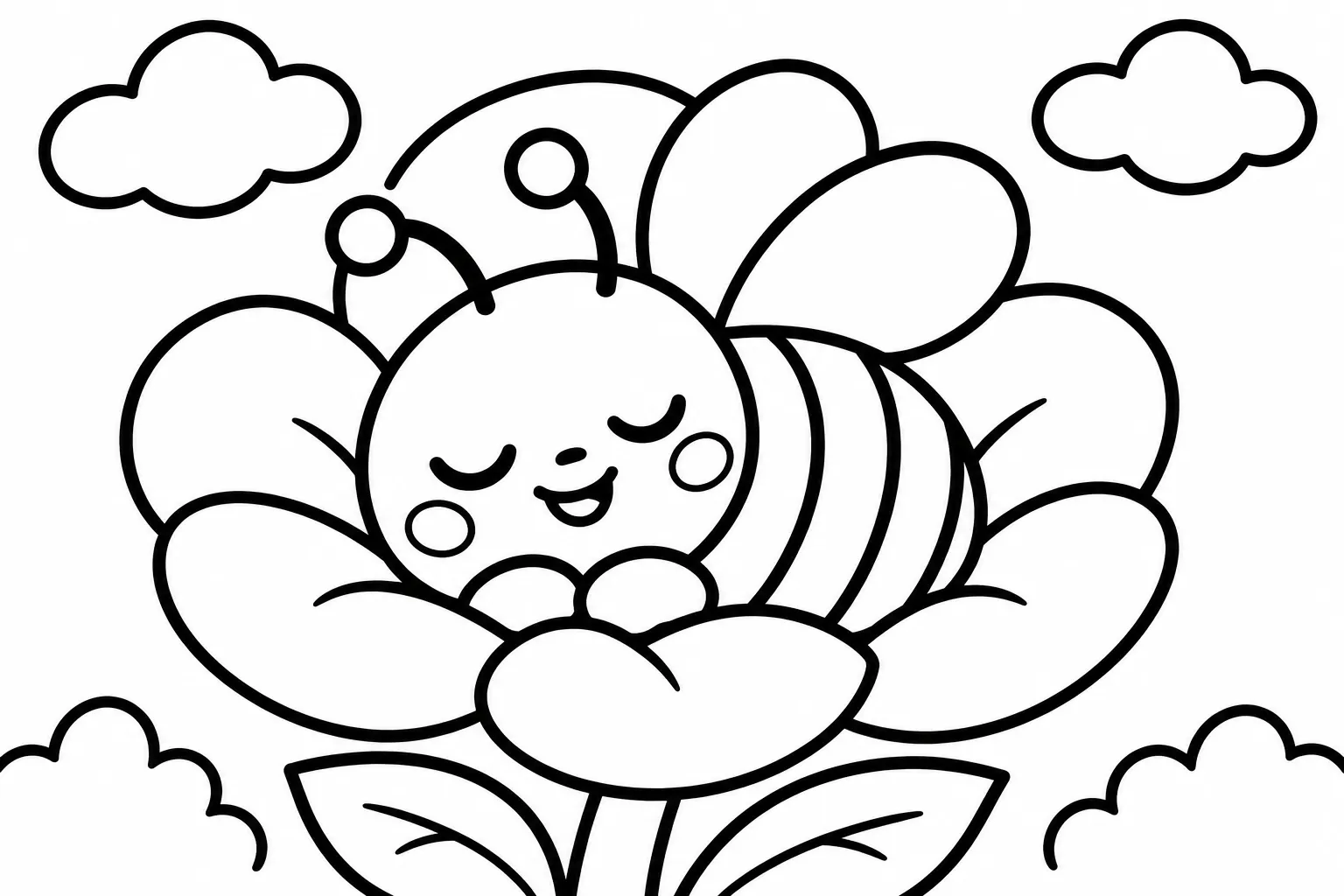
Bee Coloring Pages – stripes, wings, and a whole lot of buzz
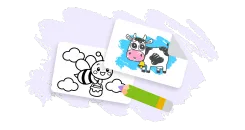
Circles and stripes. That's really all a bee is, shape-wise, and it's part of why this page ends up in so many coloring stacks. A round body, a smaller round head, two wings, a few stripes that don't need to line up perfectly to look right. A two-year-old holding a crayon for the first time can usually land somewhere close.
It's not a boring subject, though, just because it's a simple one. Kids run into real bees in backyards and gardens all the time, long before they ever pick up a crayon. Some think they're cute. Some are a little nervous about the sting. Either way, there's already an opinion in the room before coloring starts.
What Children Learn from Bee Coloring Pages
Pattern recognition. Stripes go back and forth in a simple, repeating order. Copying that is an easy first step for a kid just starting to notice patterns at all.
New vocabulary. "Hive." "Pollen." "Wings." "Buzz." Words that come up on their own while you're coloring side by side, no flashcards required.
Learning about nature. Bees do things most kids don't think about, like helping flowers grow. A coloring page is a natural moment to bring that up.
Hand control. A striped pattern asks for a bit more care than one plain shape. Small step, but a real one.
Why Bees Are Good for More Than Just Coloring
Bees pollinate flowers and crops. Most four-year-olds don't know that yet, and it's an easy fact to drop in mid-coloring if your kid is already into bugs or gardening.
If your child is actually scared of real bees, this is one of the gentler ways to sit with that fear for a minute. Nothing on the page can sting. Working through the stripes slowly, one at a time, gives a nervous kid a way to be near a bee that isn't just running from it.
Why Bee Coloring Pages to Print Are a Teacher Favorite
Spring units lean on bees constantly, usually tucked in next to flowers, gardens, or a bug lesson. A bee coloring page slots into that without extra setup. Print a stack, hand out crayons, move on to the next thing.
It pairs well, too. A bee next to a flower. A bee next to a hive. A worksheet about where honey actually comes from. Small, simple shape, but it plays nice with almost anything else on the lesson plan that week.
Activities to try with bee coloring pages
- Stripe pattern. Let your child choose the stripe colors, classic yellow and black, or something totally different.
- Where's the hive? Ask your child to draw or imagine where the bee lives and what it's bringing home.
- Flower hunt. Pair the bee page with a flower coloring page and ask which flower this bee would visit first.
People often ask
Not at all. Plenty of real bee species come in darker browns or even metallic greens and blues. Letting your child pick an unusual color combo isn't wrong, it's just a different kind of bee.
Probably one of the best picks, actually. The shapes are big and round, so there's a lot of room for a shaky hand to miss the line and still end up with something that looks right.
Most kids wrap one up in 10 to 15 minutes. The stripes give a natural stopping point if attention runs out halfway through, since a half-striped bee still looks fine.
A ladybug or a butterfly usually works well next to it. All three share that same simple, rounded body shape, so they feel like a matched set even with different colors and patterns.
It happens sometimes, especially if a child has been stung before. Let them color the bee from a distance at first, maybe smaller or further off on the page, and the fear usually fades faster than you'd expect.