

Keiki Blog – parenting & early learning insights
Discover engaging parenting tips, child development insights, and creative learning ideas to support your child’s growth through every stage – curated with care by Keiki
Turn curiosity into discovery


Dinosaur games for kids – loud fun and thrilling adventures

Science games for kids: ideas and tips for young explorers

Children's Coding Games: Building Logic and Creativity for the Future

Live Your Life By a Compass: Geography Lesson Games for Kids

Fun Facts for Kids That They Will Find Fascinating

Free Kids Educational Games and Activities to Try with Your Child
Explore, Wonder, Discover — Science & Nature for Kids
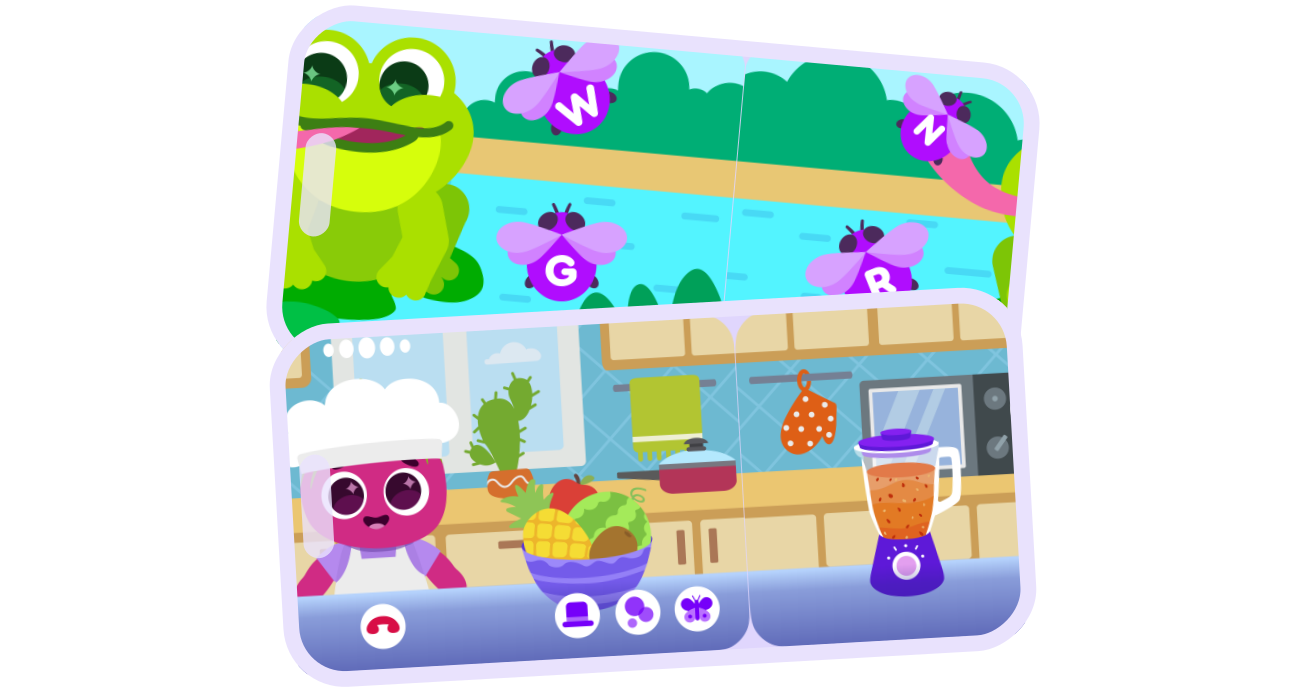
Bugs, weather, planets, why the sky is blue — kids ask science questions all day long without even realizing it. Science & Nature turns that endless curiosity into something they can actually explore, touch, and understand a little better.
Outdoor Science — Bugs, Weather, and the Backyard
Half the best science lessons happen without any setup at all — just a backyard, a sidewalk, or a park. Watching ants carry crumbs, noticing clouds change shape, collecting leaves that are different colors — this is real observation, the same skill scientists use, just scaled down to kid-size. Weather is an easy one to lean into too: ask your kid to guess if it'll rain before checking, or notice how shadows move throughout the day. No equipment needed, just a reason to look a little closer at stuff that's always been right outside the door.
Indoor Science — Simple Experiments and Everyday Curiosity
Rainy day? Indoor science still delivers. Mixing colors, freezing water, watching something sink or float — these simple experiments let kids predict what'll happen, try it, and see if they were right, which is basically the scientific method dressed up as kitchen-table fun. Even everyday moments count: baking something together touches on measuring and change, and a simple magnet or flashlight can turn into twenty minutes of genuine fascination. The goal isn't a perfect experiment — it's getting your kid comfortable with guessing, testing, and being wrong sometimes.
Keep the Curiosity Going with Keiki World
Keiki World turns everyday science questions into games kids actually want to dig into, built for ages 2 to 6. Activities grow with your child, so simple observation naturally leads into cause-and-effect thinking and early science concepts as skills develop. Parents can also grab printable worksheets covering nature, weather, and hands-on experiments — an easy way to keep the curiosity going, screen or no screen.
People often ask
It can be as simple as watching ants carry crumbs, noticing how clouds change shape, or guessing whether it'll rain — no lab equipment required. These small moments of observation are the same skill real scientists use, just scaled down to kid-size.
Mixing colors, freezing water, and watching objects sink or float are easy, mess-contained experiments that let kids predict, test, and check their guesses. Even baking together counts, since it touches on measuring and change.
No — most outdoor science needs nothing but a backyard or sidewalk, and indoor experiments usually just need kitchen basics like water, food coloring, or a magnet and flashlight. The goal is curiosity, not a picture-perfect experiment.
Keiki turns everyday science questions into games built for ages2 to 6, where simple observation naturally leads into cause-and-effect thinking and early science concepts as a child's skills develop.