Food Games for Kids: 25+ Fun Ideas for Every Age and Mess Level

“Just try one bite” has probably come out of your mouth more times than you’d like to admit. Here’s the thing: kids food games sidestep that whole standoff entirely. Instead of asking a kid to eat something new, you ask them to play with it, sort it, sniff it, or turn it into a funny face on a plate. Suddenly broccoli isn’t a battle. It’s a prop.

That’s the whole idea behind food related games for kids. They swap pressure for curiosity. Below you’ll find 25+ games about food, split by age and setting. Some use real fruits and veggies on the kitchen table. Others are no-mess card and board games about food you can pull out on a rainy afternoon with zero cleanup. Whether you’re hunting for children’s food games to survive a birthday party or just something to fill the twenty minutes before dinner’s ready, there’s something here that fits.
Key Takeaways
- Kids food games turn picky eating into play, which lowers resistance to new foods without any pressure or bribery.
- Food games build real skills, including fine motor control, sensory processing, counting, categorizing, and vocabulary, on top of just being fun.
- Not every food game requires actual food. Card games, bingo, and matching games about food work just as well for a no-mess option.
- Most of these activities take 5 to 20 minutes and use things you already have in the kitchen or pantry.
Why Playing With Food Actually Works
“Don’t play with your food” is the rule every household has, and also the exact rule these games bend on purpose. Letting food become part of play isn’t about abandoning table manners. It’s a shortcut to a handful of developmental wins parents are usually chasing anyway:
- It takes the pressure off eating. Once a carrot is a game piece instead of a demand, a lot of the fear and resistance around new foods just evaporates.
- It’s a sensory workout. Textures, smells, colors, and tastes give kids a lot to explore, which helps them get comfortable with foods that used to feel “weird.”
- It builds fine motor skills. Sorting berries, threading fruit onto a skewer, or kneading dough all ask for the same small, precise finger movements kids will later use to hold a pencil.
- It teaches real academic basics. Counting peas, sorting by color, or naming a food that starts with “B” covers math and early literacy without anyone opening a workbook.
- It sparks creativity. Turning a sandwich into a smiley face or a fruit skewer into a rainbow is a tiny art project that happens to be edible.

Help your child
grow with Keiki
We’ll help you turn everyday screen time
into real learning progress.
Easy Food Games for Toddlers
Toddlers are already obsessed with touching, tasting, and making a mess. These food games for toddlers just give that instinct somewhere useful to go.
- Pancake Faces. Let your toddler decorate their own pancake with berries, banana slices, and a few other toppings to build a face. It’s low-stakes, it’s edible, and it gets them handling new foods without anyone saying “just try it.”
- Letter of the Week. Pick a letter and spend the week eating foods that start with it, like bananas, blueberries, and broccoli for “B.” It turns every snack into a tiny vocabulary lesson.
- Fruit Tower Stacking. Hand your toddler a few soft fruit pieces (banana rounds, strawberry halves) and see how tall a tower they can build before it tips. Great for patience and hand-eye coordination, and nobody’s upset if it falls.
Hands-On Kitchen Food Games
The kitchen is basically a free activity center hiding in plain sight. These food games put real ingredients in small hands and let kids learn by doing, including by occasionally getting something wrong.
Culinary Detective
Blindfold your kid and have them guess a food by smell or taste alone. This one’s a sneaky-good trick for foods they’ve already decided they “don’t like.” Without the visual, a lot of that bias just disappears.
Fun Sorting
Dump a mix of fruits, veggies, or dry pasta on the table and ask your child to sort it by color, shape, or category. It’s a simple game, but it’s doing real work on logic and classification.
Edible Pictures
Give your kid some fruit slices, cheese, bread, and a squeeze of sauce, and let them build a face, animal, or pattern on a plate. It keeps little hands busy, and keeps you free to actually cook, while quietly building fine motor skills.
Young Baker
Let your child knead dough, roll out cookies, or shape dinner rolls. Baking together is hands-on chemistry disguised as fun, and most kids take their “job” as baker pretty seriously.
Fruit Skewers
Hand over some fruit chunks and a kid-safe skewer and let them thread their own colorful dessert. It’s a fine motor exercise that ends in something they’re proud to eat, or feed to the rest of the family.

Learning Food Games for Kids
These food games lean more academic. Food becomes the material, and the lesson is the main event.
Blind Taste Test
Blindfold your child and have them identify flavors (sweet, sour, salty, bitter) one at a time. Add a surprise or “mystery” item for older kids who want more of a challenge.
Count the Peas
Beans, peas, or dry pasta make great counters for basic math. Have your child count out a pattern, solve a simple addition problem, or just try to beat their last score.
Guess the Smell
Fill a few small containers with cinnamon, lemon, coffee, or vanilla and let your kid guess what’s inside with their eyes closed. It builds vocabulary right alongside their sense of smell.
The Journey of Food
Talk through where a food actually comes from: garden, farm, store, truck. It’s a simple conversation that quietly builds a kid’s understanding of where their meals come from, and it tends to make them more curious about trying things.
Food Quiz
Ask quick questions, like “Which fruit is red and round?”, and let your child answer for small rewards or just bragging rights. It’s an easy way to reinforce what they’ve already learned about food categories and properties.
Games About Food That Don’t Need Real Food
Not every day has the time or the energy for a kitchen activity, and that’s exactly where games about food that skip the eating part come in. These food related games for kids use cards, boards, or pictures instead of actual ingredients. No mess, no cleanup, and they travel well for car rides or waiting rooms.
- Food Memory Match. Flip cards face-down and take turns finding matching pairs of fruit, vegetable, or meal pictures. It’s a classic memory-builder with a food twist.
- Food Bingo. Make or print bingo cards with pictures of common foods instead of numbers. Great for grocery store trips or a quiet rainy-day activity.
- Taco Cat Goat Cheese Pizza. A fast-paced card game where kids slap the pile when the card matches the word they’re saying out loud. It’s silly, loud, and genuinely works on quick thinking.
- Food Group Sorting Cards. Spread out picture cards and have kids sort them into fruits, vegetables, grains, and proteins. It’s the “fun sorting” game from above, minus the real produce.
- Grocery Store I Spy. While shopping, challenge your kid to spot a food that’s a certain color, shape, or starting letter. It turns a chore into one of the easiest games about food you’ll ever run.
- Food Charades. Act out eating, cooking, or preparing a specific food while everyone else guesses what it is. No props, no prep, just a few minutes of silliness.
Food Games for Parties and Group Play
When it’s party time, food games bring the kind of chaos kids remember for years. These work well for birthdays, family gatherings, or any event where a group needs something loud and fun.
- Ice Cream Sundae Relay. Teams race to collect sundae ingredients one at a time (scoop, sprinkles, sauce, cherry), and the first team to build a complete sundae wins.
- Whipped Cream Hide-and-Seek. Bury a few small treats under mounds of whipped cream and let kids dig them out using only their mouths. It’s messy, it’s hilarious, and it’s a guaranteed hit at any party.
Build real skills through fun, educational games for your child
Try KeikiInclusive Food Games for Kids With Special Needs
Every kid deserves a seat at the table, literally, and food games are easy to adapt so nobody’s left out.
- Sensory Bin Exploration. Fill a bin with rice, beans, or soft fruit and let your child touch, smell, and explore at their own pace. It’s an easy win for kids with sensory sensitivities since there’s no pressure to taste or perform.
- Adaptive Cooking. Use adapted utensils or extra hands-on support so a child can still stir, add ingredients, or decorate a dish. These sessions work at home, at school, or during therapy, and the goal is participation over precision.
Green Food Games: Recycling and Sustainability
Teaching kids about food naturally opens the door to teaching them about the planet too.
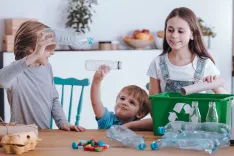
- Recycling Relay. Kids race to sort food packaging into the correct recycling bins. It’s fast, it’s active, and it sneaks in a real lesson about waste.
- Sustainable Cooking. Cook a simple meal together using leftovers or seasonal produce, and talk through why it matters. Small habits like composting peels or reusing containers start to feel normal instead of like a chore.
Related Games in Keiki App
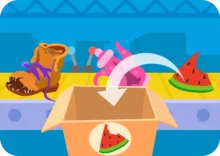
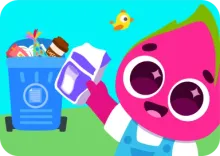
Keep the Fun Going with Keiki
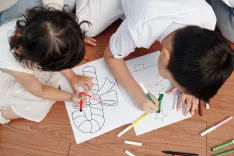
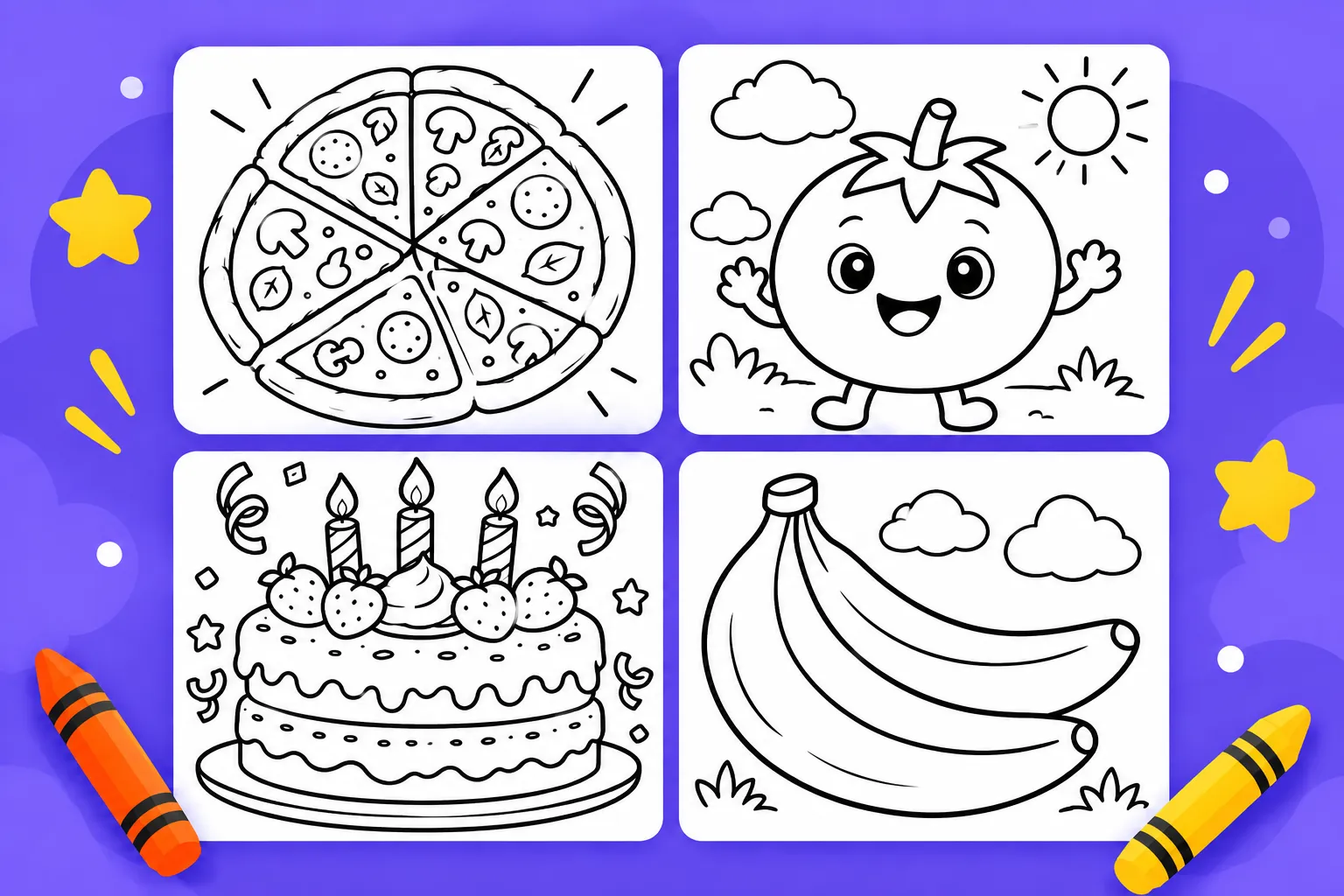
Once the plates are cleared, keep the food theme going with Keiki’s food coloring pages. It’s a calm, no-cleanup way to keep little hands busy with the same fruits, veggies, and meals they just played with, from coloring in a bunch of grapes to filling in a slice of pizza. It’s a nice bridge between messy, hands-on food play and quieter screen time that still keeps the same theme front and center.
Tips for Running Food Games Without Losing Your Mind
A few ground rules keep these games fun instead of turning into a cleanup emergency:
- Pick safe, age-appropriate foods. Steer clear of choking hazards and known allergens, and stay nearby for younger kids.
- Wash hands before and after. It’s an easy habit to build in, and it keeps food play actually hygienic.
- Protect the workspace. A tray, placemat, or plastic sheet saves you a lot of scrubbing later.
- Let them explore, but talk about waste. Curiosity is the goal. Tossing food around just to toss it isn’t.
- Join in yourself. Kids pick up a lot just from watching you try new foods or get your hands messy too.
- Narrate what’s happening. Naming colors, textures, and smells out loud turns an ordinary activity into a vocabulary lesson without any extra effort.