30 Kindness Activities for Kids – How to Teach This Quality From an Early Age?

Imagine a painfully familiar scene. A playground. Your wonderful, smart child suddenly snatches a toy from another toddler's hands with a piercing shout. You feel embarrassed, confused, and wonder where you went wrong.
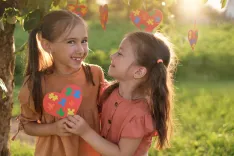
But this is not about greed or anger. Children simply remain children. They can learn numbers and letters, train memory and logic, but it is much harder to teach them to be genuinely kind. Kindness is not an innate trait – it is a skill. And like any skill, it requires practice, patience, and the right approach.
Why Kindness Is a Skill Kids Need to Learn
Parents should not confuse politeness with kindness. The latter is much harder to learn because it takes more than simply memorizing the word "sorry." Kindness activities for kids support many areas of development:
- A foundation for social-emotional development. Children who regularly practice acts of kindness tend to have higher emotional intelligence. They understand their own emotions better and can read the feelings of those around them.
- Reduced stress levels. Scientific research shows that performing kind acts stimulates the production of oxytocin, the hormone associated with love and connection. Kind children are calmer and more resilient.
- Development of intrinsic motivation. The goal is not to force a child to share out of fear of punishment. Genuine generosity and strong character develop when kindness comes from the inside.
- Growth of compassion. In a world where screens increasingly replace face-to-face interaction, empathy-building activities help children stay connected to the people around them.
Help your child
grow with Keiki
We’ll help you turn everyday screen time
into real learning progress.
Kindness Activities for Toddlers
For children aged 1–3, words mean very little. Visual, physical, and simple actions are far more valuable. At this age, kindness activities for toddlers should be sensory, immediate, and connected to their everyday world.
1. Gentle Hands Practice
Toddlers often hit pets or parents simply because they cannot yet control their strength. Sit next to a favorite teddy bear. Take your child's hand in yours and together stroke the toy gently. Say quietly, "This is how we love our friends – gently and softly." Repeat the practice whenever your toddler becomes too rough.
2. The Teddy Bear Hospital
If your child tears a book or drops a toy, do not rush to throw it away. Create a hospital. Give your toddler a toy bandage or a piece of tape. Let them "heal" the broken item. This teaches care and responsibility for the things and beings around them.
3. High-Five the Mail Carrier
When a courier or mail carrier comes to your home, pick up your toddler and encourage them to wave or give a high-five. This simple kindness activity teaches children to notice and appreciate the people who make our daily lives easier.
4. Helping Feed Pets
Give your toddler the important job of pouring dry food into the cat's or dog's bowl under your supervision. At the same time, explain that caring for another living creature is an act of great kindness and love.
5. Water the Thirsty Plants
Give your toddler a tiny watering can. Explain that flowers get thirsty too, just like they do. Watering plants is a perfect combination of motor skill development and the formation of a caring attitude toward living things.
6. Sharing a Snack
When your toddler is eating a favorite cookie or apple, gently ask, "May Mom have a piece?" If they share, respond with enthusiasm: "Wow! Thank you! That makes me so happy!" Positive reinforcement is the most effective teacher at this age.
7. Smile Contagion
While strolling through the park, invite your toddler to smile at three grandparents sitting on benches. Explain that a smile is an invisible gift that costs nothing but can completely change someone's day.
8. Clean-Up Team
Cleaning should not be a punishment. Turn it into an act of kindness toward the home. Tell stories about toy cars and stuffed animals that do not want to sleep on the floor. When tidying up becomes a way of caring for beloved things, children are far more willing to participate.
9. Hug a Crying Friend
If another child is crying on the playground, draw your toddler's attention to it: "Look, that boy fell down and got hurt. Let's go ask if we can comfort him." Even if your child only stands nearby or hands the other child a toy, this is already a significant step toward empathy.
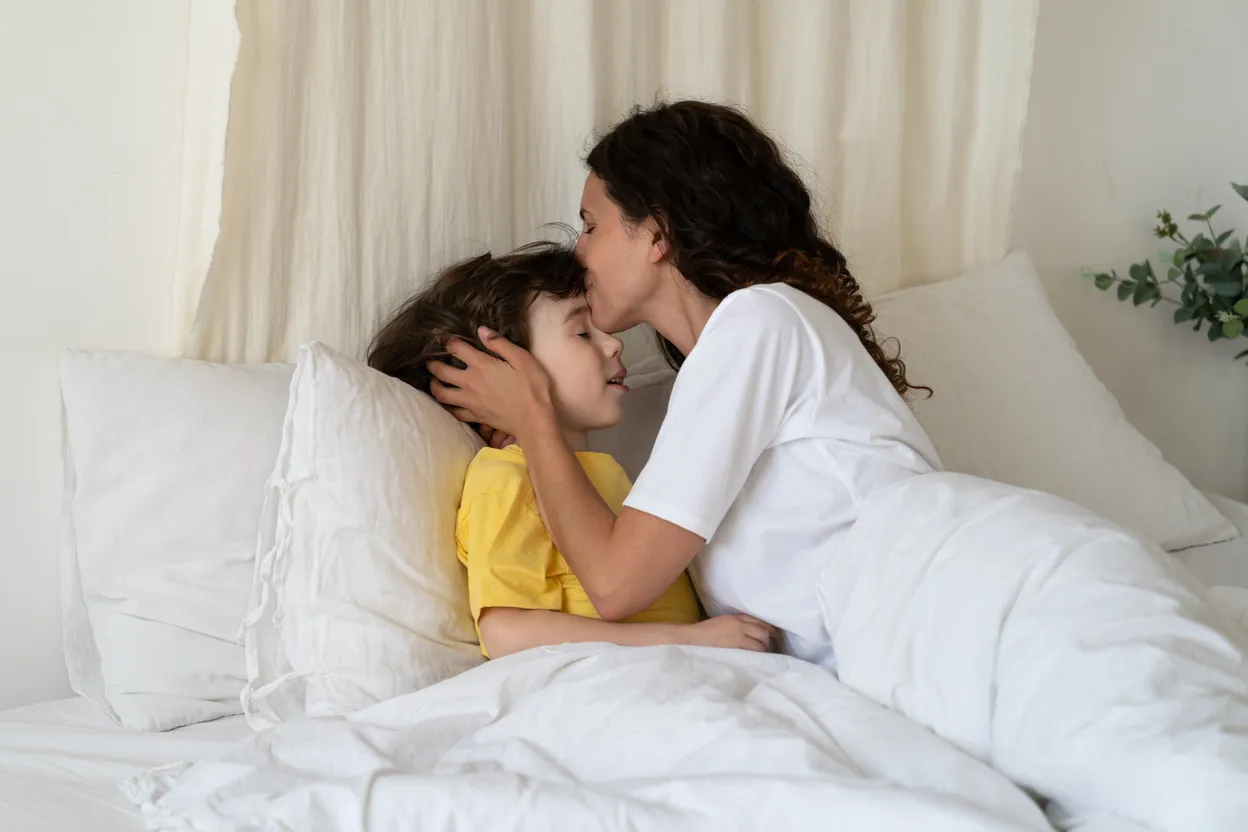
10. Bedtime Thank Yous
Before bedtime, walk around the room and say "thank you" to three things. "Thank you, bed, for being soft. Thank you, teddy bear, for playing with me. Thank you, window, for showing us the stars." This playful ritual builds the habit of noticing goodness in the world.
Kindness Activities for Preschoolers
The preschool years, from ages 3–5, are a golden age for role-playing. Children already understand cause and effect and love feeling helpful. At this stage, kindness activities for kids can become more intentional and connected to the wider community.
11. The Bucket Filler Game
This game has a brilliant and simple concept. Explain that everyone has an invisible bucket above their head. When we say kind words or share, we fill someone's bucket. When we are rude or selfish, we dip into it. Ask your child throughout the day: "Did you fill anyone's bucket today?"
12. Baking for a Neighbor
Bake simple cookies together. Place them in decorative bags. Let your preschooler knock on the door of a lonely neighbor or building concierge and personally hand over the treat. The joy on an adult's face will be the best reward and the most powerful lesson.
13. Kindness Stones
Collect smooth stones during a walk. Paint them with bright acrylic colors and decorate them with hearts or smiles. Use the stones to decorate your garden or leave them in a park for strangers to find. The idea that a small pebble can make someone smile is a wonderful revelation for a preschooler.
14. Sidewalk Chalk Compliments
Take colorful chalk and decorate the sidewalk outside your building. Draw a sun and ask your child to dictate kind messages for you to write. This is one of the most visible and joyful random acts of kindness for kids.
15. The Sibling Helper
If there is more than one child in the family, organize a "Secret Agent Day." Your preschooler's mission is to quietly do something kind for a sibling without being noticed – tidy their toys, draw them a picture, or leave a snack on their pillow.
16. Making a Bird Feeder
Cover a cardboard tube with peanut butter and roll it in birdseed. Hang it on a tree outside the window. Watch together as hungry birds enjoy the treat. Caring for wildlife is a natural extension of kindness beyond the human world.
17. "Get Well" Cards
If a friend from preschool or a grandparent is sick, sit down together and create a get-well card. Even if it is only abstract scribbles, thinking about another person's feelings and wanting to cheer them up is a profound act of kindness.
18. The Toy Donation Box
Before New Year's or a birthday, sort through old toys. Say, "You have so many toys you do not play with anymore. Let's collect some and give them to children who have very few." Involve your child in the selection and delivery process.
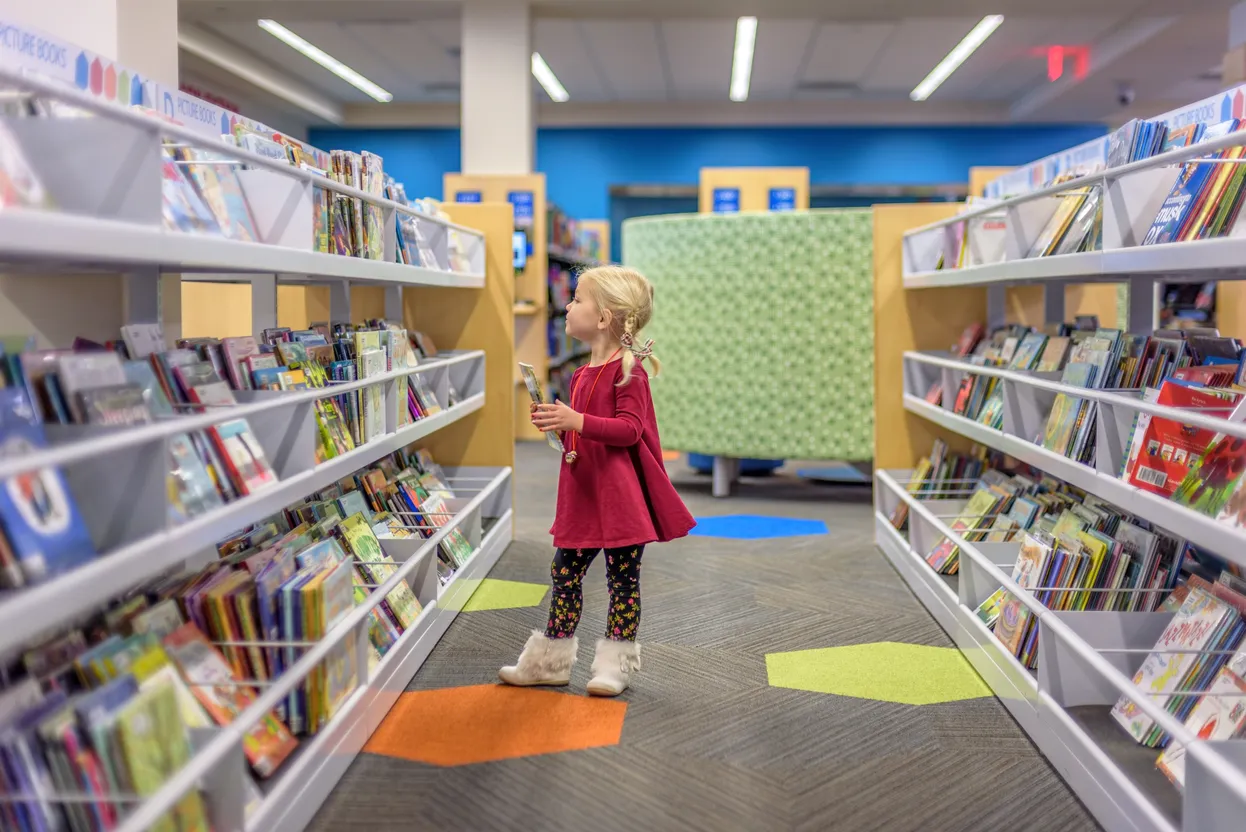
19. Library Book Care
Take books borrowed from the library and inspect them for folded corners or torn pages. Let your preschooler carefully repair them with transparent tape. Explain that many other children will read this book after them, and it is important to pass it on in good condition.
20. The Kindness Tree Craft
Draw a tree trunk on a large sheet of paper or directly on a wall display. Cut leaves from colored paper. Every time your child performs an act of kindness, add a new leaf to the tree. Watch it bloom throughout the week or month.
Kindness Activities for Kindergarten
At ages 5–6, children enter a larger social environment. Kindness activities for kindergarten help them learn teamwork, include others, and interact positively with peers and adults outside the family.
21. Compliment Circle
A great kindness activity for kindergarten classrooms or children's parties. Children sit in a circle and pass around a soft ball. Whoever holds the ball gives a genuine compliment to the person next to them before passing it on. This activity builds confidence and teaches children to see the good in others.
22. Secret Kindness Agent
Give your child a "Secret Agent ID" and a mission for the day: offer three compliments, help someone carry a backpack, or pick up litter on the way home. At the end of the day, debrief together: "Mission complete?"
23. Appreciation Notes for Teachers
Encourage your child to create a card not only for their favorite teacher but also for people whose work often goes unnoticed: the cook, janitor, or groundskeeper. This teaches children to value all forms of contribution and care.
24. Random Acts of Kindness Bingo
Create a 3×3 bingo grid. Fill each square with a task such as "Say hello first," "Help set the table," "Thank the bus driver," or "Offer your seat." When your child completes a row, celebrate together with a small treat or a special activity.
25. Community Cleanup
Put on sturdy gloves, grab trash bags, and head to your favorite park or beach. Explain that cleaning up after others is a way to show love for our planet and our community. Many children feel a deep sense of pride and ownership after participating in a cleanup.
26. Care Packages for Shelters
Gather old towels and blankets and purchase a few bags of pet food. Deliver them to an animal shelter. Let your child personally hand the donations to a staff member. The experience of giving directly to those in need leaves a lasting impression.
27. The Apology Roleplay
Learning to apologize properly is an important part of kindness. Act out a situation where your child accidentally breaks your LEGO tower. Teach them the three parts of a genuine apology: "I'm sorry," an explanation of what happened, and a plan to do better next time.
28. Holding the Door
Teach your six-year-old a simple rule: when entering a store or building, look behind you. If someone is coming, especially carrying bags or pushing a stroller, hold the door open for them. Small gestures like this build a lifelong habit of consideration for others.
29. Welcome the New Kid
When a new child joins the class, talk about how scary it can feel to be alone in an unfamiliar place. Encourage your child to become an ambassador of welcome – to say hello, invite the new child to play, and show them around.
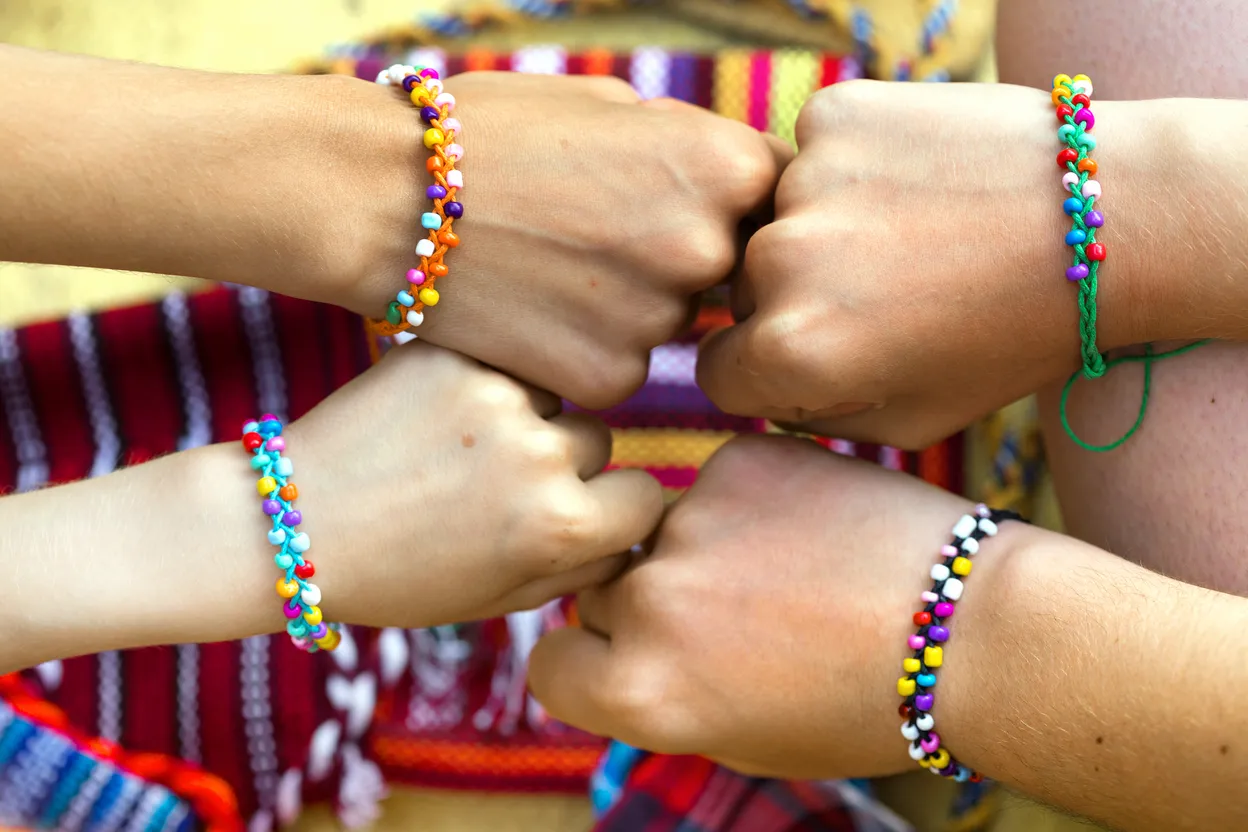
30. Friendship Bracelets
Let your child make simple bracelets from thread or rubber bands. Encourage them to give bracelets not only to close friends but also to the child who often plays alone or seems left out. This small act can change someone's entire day.
Everyday Kindness Habits to Build at Home
Any kindness activities for kids will remain one-time entertainment unless they are reinforced by your family's daily habits. Children are excellent at spotting hypocrisy. If you teach them to share toys but yell at a cashier or angrily cut off other drivers, your lessons about kindness will have little lasting effect.
Make it a habit to discuss kindness during dinner. Ask, "What kind thing did you do today?" and "Who was kind to you today?" Turn the habit of noticing kindness into a family value, not just a topic for special occasions.
Build Habits Every Day with Keiki
We live in a digital age, and gadgets are an inseparable part of children's lives. Parents are understandably concerned about this. However, even screen time can be used wisely.
Keiki is designed with a deep understanding of child psychology. Many brain-development games in the app are built around cooperation and empathy. The activities encourage children to notice emotions, respond to others' needs, and practice patience and focus – all of which are foundations of genuine kindness.
Keiki is a safe space without ads or external links. It does not overload the nervous system but instead gently develops cognitive skills and social understanding side by side.
Help your child thrive with playful learning
Turn screen time into real growth with Keiki's educational games.
Try KeikiConclusion
Raising a kind person in a world that often rewards competition and self-interest is a real challenge. Yet it is one of the most important investments you can make in your child's future happiness and the wellbeing of everyone around them.
You do not need to complete all these kindness activities for kids in a single week. What matters most is turning some of them into regular habits and modeling the values you want to see. Children do not become kind because they are told to. They become kind because they grow up surrounded by kindness.