21 Gratitude Activities for Kids – Building Thankfulness

Children often show ingratitude unintentionally. For example, you carefully choose a gift for them, but your little one complains because they wanted something else. Or you spend time preparing a special breakfast, and they say they would rather have cereal with milk. Pause and take a deep breath. You have raised a normal, healthy child. Neurobiology tells us that children are born egocentric – it is a normal survival mechanism. The ability to appreciate what you have and notice other people's efforts does not appear overnight.
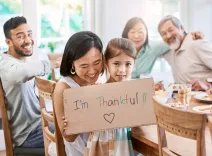
Genuine thankfulness is not about teaching a child to be polite so that they say the right words automatically. True gratitude begins with emotional intelligence, which requires regular practice. The best way to develop it is through play, so we have gathered many gratitude activities for kids. We will explore how to incorporate mindfulness into your family routine.
Why Teaching Gratitude Matters for Kids
You may be wondering why this needs to be so complicated. Isn't it enough to simply remind a child, "What do you say to your aunt?" Unfortunately, it is not. When we introduce meaningful gratitude activities for families into our lives, we help children understand what gratitude and kindness truly mean. In addition, these activities support many aspects of child development and psychology:
- Emotional wellbeing. Research shows that people who practice gratitude have lower cortisol levels, meaning less stress. Grateful children sleep better and experience less unexplained anxiety.
- Character development. The ability to be grateful is closely connected to empathy. A child begins to understand that for them to have a warm sweater, someone had to make it, and Mom had to earn money to buy it.
- Psychological resilience. Gratitude teaches the brain to focus on what is already present rather than what is missing. This helps protect against depression during adolescence.
- Fewer complaints and demands. When attention shifts toward appreciation of everyday things, the constant desire for new toys naturally decreases.
Help your child
grow with Keiki
We’ll help you turn everyday screen time
into real learning progress.
Everyday Gratitude Habits to Build at Home
Before making crafts and activities, create the right foundation. The best thankful activities for kids are the ones that become part of your daily routine.
First, model gratitude yourself. Children do not listen to lectures as much as they imitate behavior. Let them hear you say things like, "I'm so grateful for this delicious morning coffee," or "Thank you to Dad for fixing the faucet – washing our hands is so much easier now."
Second, make conversations about feelings a normal part of family life. At dinner, introduce the "Rose and Thorn" tradition. Each family member shares one wonderful thing that happened during the day – the rose – and one challenge they faced – the thorn. This simple activity helps children find reasons to smile and feel grateful even on difficult days.

Gratitude Activities for Toddlers and Preschoolers
Young children still struggle to understand abstract concepts such as complex emotions. For them, words need to become objects, colors, and actions. If you are looking for thankful activities for toddlers, try these highly visual and engaging ideas.
1. The Gratitude Jar
This is the classic gratitude activity for kids. Take a clear jar or vase. Place a notebook and colored pencils nearby. Each evening, or whenever your child is in a good mood, ask them to draw or name one thing that made them happy that day – a tasty pancake, jumping in a puddle, or a hug from Mom. If they cannot write yet, write it down for them and let them place the note in the jar. Over time, the jar fills with real happiness.
2. Thank You Drawings
Toddlers may not be able to write a letter to Grandma or the mail carrier, but they can draw their feelings. Invite your child to create a card for a dog simply because it brings joy. The card becomes a way of expressing kindness toward the world around them.
3. Gratitude Walk
This is a perfect example of thankful activities for preschoolers that combine a walk with mindfulness. Go to the park with a new mission: find five things you are grateful for. At first it may be difficult, but eventually your child will naturally begin noticing even the smallest joys.
4. Sensory Thankful Bin
Hide small objects your child loves in a container filled with rice or kinetic sand – a toy car, a cat figurine, a favorite pacifier, or a plastic strawberry. Let your child dig for treasures. For very young children, sensory experiences are especially effective.
5. Happy Heart Mirror
Using a washable marker, draw a large heart on the bathroom mirror. While your child brushes their teeth, ask them to look at themselves inside the heart and name one thing they appreciate about their body.
6. The Thankful Tree
Draw a tree trunk on a large piece of cardboard and attach it to a wall. Cut out dozens of paper leaves or flowers. Every day, ask your child to add one leaf while you write down something they are grateful for – sunshine, a warm blanket, or a favorite toy. The tree will gradually bloom with gratitude.
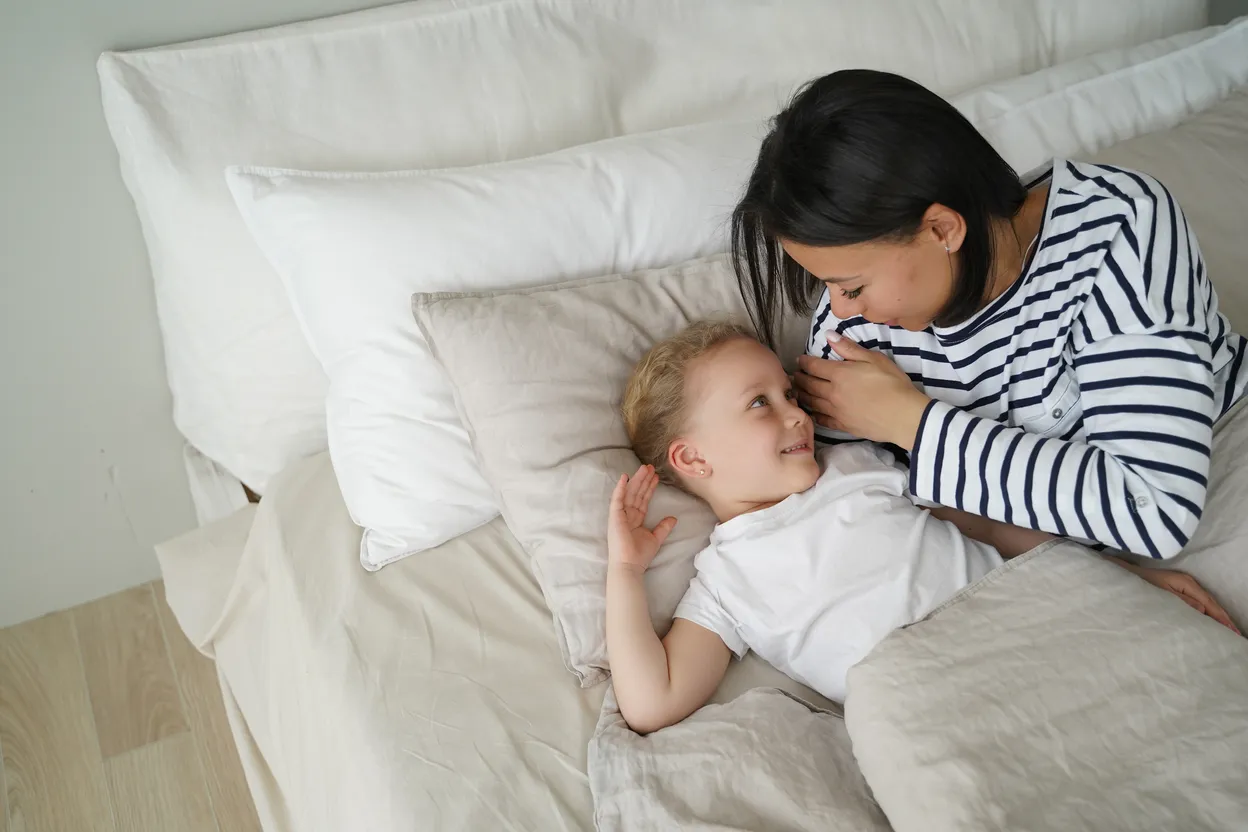
7. Bedtime Three Good Things
When putting your child to bed, create a new tradition. Take turns naming exactly three good things that happened that day. They can be big or small. Falling asleep with positive thoughts helps improve sleep quality.
Gratitude Games and Activities for Older Kids
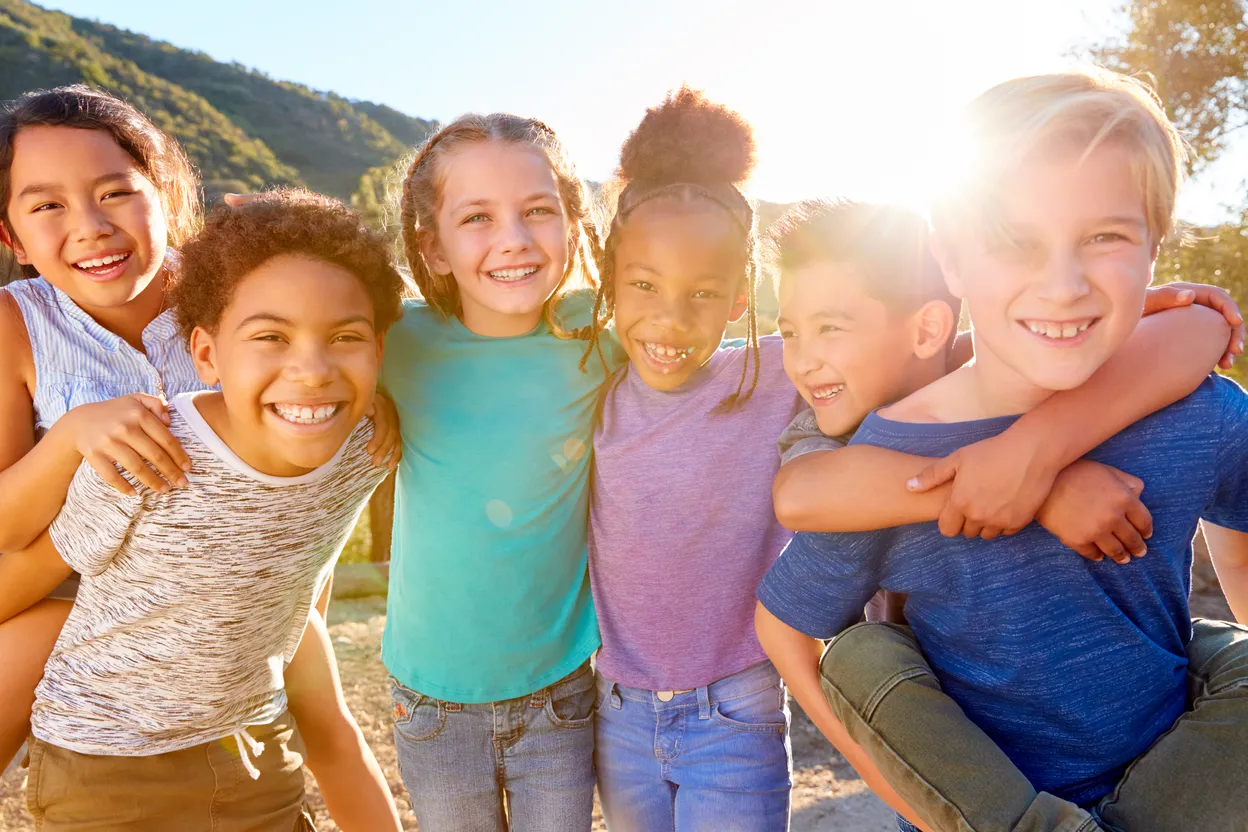
Children aged 5–8 already understand time and can appreciate other people's efforts. At this stage, gratitude activities for preschoolers can evolve into deeper, more reflective activities focused on social connections.
8. Gratitude Journaling
Buy your child a beautiful notebook. Journaling is an excellent habit for school-age children and older preschoolers. Encourage them to write or draw one moment each day that made them smile. Decorate the journal with stickers and markers. During difficult times, it can become a source of comfort.
9. Gratitude Alphabet
This thankful activity for kids can be played in the car or while waiting in line. Take turns naming things you are grateful for while moving through the alphabet. See if you can make it all the way to the end without getting stuck.
10. The "Silver Lining" Game
This activity develops resilience. Present a difficult situation, such as, "It started raining, so we couldn't go to the park." The child responds with, "But at least... we got to stay home and build a pillow fort!" This approach helps reshape the brain's response to setbacks.
11. Appreciation Mailbox
Turn a shoebox into a family mailbox and place it in the living room with a stack of sticky notes. Family members write notes about kind things others have done and place them inside. At the end of the week, open the mailbox together and read the messages aloud.
12. Gratitude Scavenger Hunt
Print a checklist and send your child on an exploration around the house. Tasks can include: "Find something that makes you laugh," "Find something in your favorite color," "Find something that smells nice," or "Find a gift from someone who loves you." This activity shifts attention from wanting more to appreciating what is already there.
13. Volunteer for a Day
Nothing teaches gratitude better than helping those who have less. Gather gently used toys together and donate them, or find another meaningful way to help people who need support.
14. Gratitude Stones
Collect smooth stones outdoors. Paint them with acrylics and write words such as "Joy," "Family," or "Sunshine," or simply draw hearts. Leave the stones in a park or neighborhood where they may brighten someone's day.
Gratitude Activities for the Whole Family
Gratitude should not be a children's responsibility alone. It can bring the entire family together and provide a positive example for young children.
15. Family Gratitude Board
Hang a whiteboard in the kitchen or hallway. Write "Today we are grateful for..." at the top. Encourage everyone to add their own notes throughout the day.
16. The Compliment Circle
Sit together in a circle and pass around a ball of yarn. Whoever holds the yarn gives a sincere compliment or thanks another family member for something specific. By the end, a web of kindness and connection will stretch between everyone.
17. Gratitude Jar Reveal Party
If you have been filling a Gratitude Jar for a month or a year, celebrate its opening. Bake a pie, gather together, and read the notes while remembering the best, funniest, and most touching moments.
18. Acts of Kindness Bingo
Create a bingo board where each square contains a kind act. Hang it on the refrigerator. Place a sticker on each completed square. When the family completes a line, celebrate with a movie night or another shared activity.
19. Cooking a "Thank You" Meal
Invite children to help prepare a special dinner as a gesture of gratitude for Dad's hard work or Grandma's support. Let them participate in cooking, setting the table, and serving the meal.
20. The "Highlight of the Week" Jar
Every Sunday at dinner, ask each family member to share the best moment of the week. It could be a family movie outing or simply enjoying ice cream together on Saturday. Recording these moments helps build lasting family memories.
21. A Thank-You Video Montage
Use a smartphone to record short video messages for relatives, teachers, and coaches. Send the videos to them. This is both meaningful and a great way to help children learn how to express their thoughts.
Make Learning Fun Every Day with Keiki
Practicing gratitude, developing emotional intelligence, and building mindfulness require significant cognitive effort from children. Between learning activities, conversations about feelings, and creative projects, children also need time to relax. However, relaxation can still be meaningful and beneficial.
The Keiki app helps create a balanced learning environment. It offers brain-training games, including activities focused on social skills and emotional intelligence. You will also find memory games, including cards that can be used not only to strengthen memory but also to recognize emotions displayed by animals and characters.
Build real skills through fun, educational games for your child
Try KeikiConclusion
Teaching gratitude is not a one-time lesson or a lecture about how difficult life is for children in other countries. Guilt never creates genuine gratitude. True appreciation grows from the habit of noticing beauty and kindness in everyday life.
Use these gratitude activities for toddlers and preschoolers, choose the ideas that fit your family best, and adapt them to your own lifestyle and rhythm.